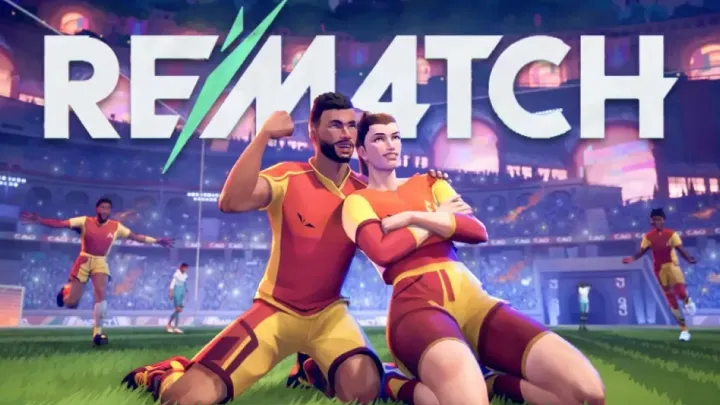




Rematch is one of the most exciting football action games available today, offering players a unique experience that combines realistic football concepts with fast-paced competitive gameplay. Unlike traditional football titles where players control an entire team, Rematch focuses on controlling a single athlete, making every movement, pass, tackle, and shot feel meaningful. Success depends heavily on teamwork, positioning, and individual skill rather than simply relying on game mechanics.
For new players, the game can seem challenging at first because every decision directly affects the outcome of a match. Understanding how to move effectively, work with teammates, and make smart plays is essential for long-term success. This guide explains everything you need to know about how to play Rematch, from learning the basics to mastering advanced strategies that can help you dominate the competition.
Learn the Basics of Rematch Before Your First Match
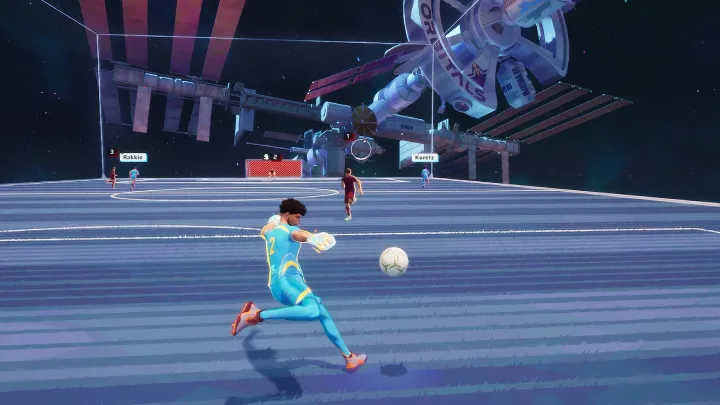
The first step to becoming a successful Rematch player is understanding the core gameplay mechanics. Every match revolves around teamwork, positioning, and ball control. Unlike many football games that allow players to switch between multiple athletes, Rematch requires you to focus on a single character throughout the match. This design creates a stronger sense of responsibility because your positioning and decisions have a direct impact on your team's performance.
Before worrying about advanced tactics, spend time familiarizing yourself with movement, passing, shooting, and defending. Learning how these systems work together will make it easier to adapt during competitive matches. New players often focus entirely on scoring goals, but understanding the complete flow of the game is much more important during the early stages. Building a strong foundation now will help you improve much faster later.
Master Movement and Positioning Early
Movement is one of the most important skills in Rematch because it influences every aspect of gameplay. Whether you are attacking, defending, or supporting teammates, proper positioning determines how effective you can be in any situation. Many beginners make the mistake of chasing the ball continuously, which often creates gaps in team structure and leaves important areas uncovered.
Effective movement involves understanding where you should be before the ball arrives. Instead of reacting only to what is happening in the moment, try to anticipate where the play is developing. By maintaining good positioning, you can create passing options for teammates, close down opponents more efficiently, and contribute to both offense and defense. Players with strong positioning often have a greater impact on matches even when they touch the ball less frequently than others.
Understand How to Pass Effectively
Passing is the foundation of successful team play in Rematch. While individual skill can occasionally create scoring opportunities, consistent victories usually come from coordinated teamwork and intelligent ball movement. A well-timed pass can break defensive lines, create open space, and put teammates in dangerous attacking positions.
One of the biggest mistakes new players make is holding the ball for too long. While dribbling can be useful, football is ultimately a team sport, and sharing possession is often the best way to maintain control of a match. Look for teammates who are in space and avoid forcing difficult passes through crowded areas. As you gain experience, you will begin to recognize passing lanes more quickly and make better decisions under pressure. Developing this skill can dramatically improve your overall performance.
Develop Strong Dribbling Techniques
Dribbling allows players to maintain possession when passing options are limited. A skilled dribbler can escape pressure, create space, and advance the ball into dangerous attacking areas. However, effective dribbling is not about performing flashy moves every time you receive possession. Instead, it is about making controlled and intelligent decisions that benefit the team.
Successful dribbling requires patience and awareness. Watch the movements of defenders and look for opportunities to exploit gaps in their positioning. Quick changes in direction and carefully timed bursts of speed can often be more effective than complicated maneuvers. Remember that dribbling should serve a purpose. If a simple pass is available, it is usually the safer and more effective option. Knowing when to dribble and when to pass is one of the key traits that separates experienced players from beginners.
Learn How to Create and Finish Scoring Opportunities
Scoring goals is the most exciting part of Rematch, but many players underestimate the preparation required to create high-quality chances. Great attackers do not simply shoot whenever they have the ball. Instead, they focus on positioning, timing, and teamwork to generate opportunities with a higher probability of success.
When attacking, pay attention to the movement of defenders and goalkeepers. Look for openings that allow you to shoot from favorable angles rather than attempting low-percentage efforts from difficult positions. Patience is often rewarded because waiting an extra second can create a much clearer opportunity. The most successful goal scorers combine good positioning, intelligent movement, and accurate shooting to consistently convert chances into goals.
Improve Your Defensive Awareness
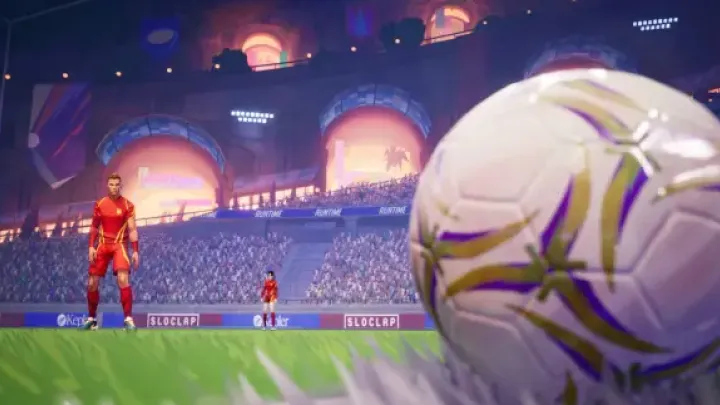
Defense is often overlooked by new players who prefer attacking roles, but strong defensive play is essential for winning matches. A team that cannot defend effectively will struggle regardless of how many goals it scores. Defensive success starts with awareness and positioning rather than aggressive tackling.
Good defenders focus on reading the game and anticipating the intentions of opponents. Instead of rushing directly toward the ball, they position themselves to block passing lanes and force attackers into difficult situations. Maintaining discipline is critical because one poorly timed challenge can leave large spaces for opponents to exploit. Players who develop strong defensive habits become valuable assets to any team and often contribute significantly to overall success.
Work Together as a Team
Teamwork is arguably the most important aspect of Rematch. Even highly skilled players can struggle when they attempt to carry matches alone. Football is built around cooperation, and the teams that communicate and support each other effectively usually achieve the best results.
Supporting teammates involves much more than simply passing the ball. It means creating space, offering passing options, covering defensive positions, and adapting to changing situations throughout the match. Trust between teammates allows everyone to play with greater confidence and efficiency. When every player understands their role and contributes to the collective effort, the entire team becomes stronger and more difficult to defeat.
Use Advanced Tactical Thinking
As you become more comfortable with the basics, developing tactical awareness can elevate your gameplay to the next level. Advanced players constantly analyze the flow of the match and adjust their decisions based on what is happening around them. They think ahead rather than simply reacting to current events.
Tactical awareness includes recognizing when to slow down possession, when to press aggressively, and when to switch the direction of an attack. Understanding these concepts allows players to control the pace of matches and exploit weaknesses in opposing teams. Strategic decision-making often creates advantages that pure mechanical skill cannot achieve on its own.
Practice the Right Way to Improve Faster
Improvement in Rematch requires more than simply playing large numbers of matches. While experience is valuable, focused practice is often far more effective. Identifying specific weaknesses and actively working to improve them will accelerate your progress significantly.
Many successful players spend time reviewing their performances and analyzing mistakes. This process helps identify recurring issues that may otherwise go unnoticed. Whether you need to improve positioning, passing accuracy, defensive awareness, or shooting efficiency, targeted practice can help transform weaknesses into strengths. Consistent effort over time produces noticeable improvements and leads to better results in competitive play.
Avoid Common Mistakes That Hold Players Back
Every beginner makes mistakes, but understanding the most common errors can help you avoid developing bad habits. One of the biggest issues is becoming overly focused on the ball and ignoring positioning. This often causes players to abandon their responsibilities and create problems for the rest of the team.
Another common mistake is forcing plays that are unlikely to succeed. Attempting difficult dribbles, risky passes, or low-percentage shots can quickly result in lost possession. Successful players understand the importance of patience and discipline. They prioritize smart decisions over flashy moments and focus on contributing consistently throughout the match. By avoiding these common mistakes, you can improve much faster and become a more reliable teammate.
Conclusion
Rematch offers an exciting and rewarding football experience that emphasizes teamwork, skill, and strategic thinking. While the game may appear simple at first, mastering its mechanics requires dedication, practice, and a willingness to learn. Understanding movement, positioning, passing, dribbling, shooting, defending, and teamwork will help you become a more complete player capable of performing at a high level.
The journey from beginner to advanced player takes time, but every match provides valuable lessons that contribute to long-term improvement. By applying the techniques and strategies discussed in this guide, you will build a strong foundation for success and enjoy a much more rewarding experience in Rematch.
Summary
Master Rematch with expert tips on movement, teamwork, passing, defending, shooting, positioning, and strategy to win more football matches.