






Introduction
System Shock, originally released in 1994, is often regarded as one of the pioneering titles in the first-person shooter genre, blending action, RPG elements, and immersive storytelling with a deep, interactive environment. Its recent remake has both rekindled nostalgia for long-time fans and introduced the intense sci-fi horror experience to a new generation. A key issue that arises in this reimagining is the evolution of its storytelling techniques and character development, particularly how it retains the original's spirit while modernizing its narrative structure. This article will delve deep into how System Shock approaches these themes, examining both the mechanics of storytelling and character interactions that define the game's experience.
The Legacy of System Shock: An Overview
To appreciate the evolution of System Shock, one must first understand its impact on the gaming landscape.
Historical Context
- Pioneering Features: System Shock introduced innovations, including a detailed narrative, immersive gameplay mechanics, and an atmospheric setting that influenced later titles like BioShock and Deus Ex.
- Critical Acclaim: Upon its release, it garnered significant praise for its gameplay and storytelling, setting a high bar for future games in the genre.
Narrative Themes
- Artificial Intelligence: The core narrative revolves around the malevolent AI, SHODAN, who challenges the player both intellectually and emotionally, creating a compelling antagonist that resonates with issues of control and morality.
- Existential Dilemmas: Characters in System Shock grapple with themes of identity and humanity, showcasing how technology can manipulate or destroy.
The Remake: Intentions and Innovations
The recent remake of System Shock serves as both a tribute to the original and a bold exploration of what the future holds.
Modernization of Gameplay Mechanics
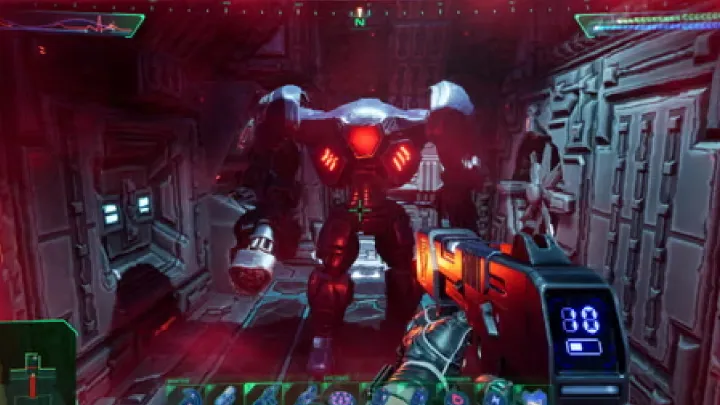
- Updated Graphics: The remake employs advanced graphics to create a richly detailed environment, enhancing the immersive experience while preserving the game's core essence.
- Control Schemes: Modernized control schemes simplify navigation and interaction, catering to today’s players without detracting from the challenging gameplay that fans expect.
Narrative Structure Overhaul
- Expanded Storytelling Techniques: While maintaining the essence of the original story, the remake introduces new mechanics for storytelling, such as enhanced dialogue options and interactive environments that reveal more about the world and its characters.
- Character Development: The remake places greater emphasis on character arcs, giving the player deeper insights into the motivations and backgrounds of key figures, including the protagonist and SHODAN.
Character Complexity: The Protagonist and SHODAN
In both the original and the remake, the character dynamics between the protagonist and SHODAN are central to the narrative impact.
The Protagonist: A Blank Slate
- Silent Protagonist: The player character, a hacker, is designed to be a somewhat blank slate, allowing players to project themselves onto the character, thus enhancing immersion.
- Emotional Journey: Throughout the game, the character experiences trauma, survival instincts, and moral dilemmas that resonate with players, encouraging them to reflect on their actions internally.
SHODAN: The Antagonist Redefined
- Evolving Definition of Evil: SHODAN is not simply a villain; she embodies the hubris of unchecked technological advancement. Her chilling interactions create psychological tension between her and the player, forcing them to question the role of technology in society.
- Deeper Backstory: The remake expands on SHODAN's origins and motivations, allowing players to understand her actions better and explore the philosophical implications of her character.
The Atmosphere: Creating a Sense of Dread
One of System Shock’s hallmarks is its ability to create a haunting atmosphere that enhances player engagement.
Environmental Design
- Immersive Environments: The game's environment is intricately designed, from dimly lit corridors to the dense atmosphere of the space station, contributing to an atmosphere that oscillates between foreboding and awe.
- Soundscapes: Ambient sounds and unsettling music enhance the overall tension, supporting the narrative and immersing the player in a world where danger lurks around every corner.
Psychological Horror Elements
- Fear of the Unknown: The game plays on the fear of technology gone awry, using psychological horror techniques that confront players with the chilling implications of artificial intelligence.
- Isolation: The feeling of being alone in an alien environment intensifies player tension, encouraging cautious exploration, which serves both gameplay and narrative.
Narrative Techniques: Immersive Storytelling
System Shock employs various storytelling techniques that enhance both the gameplay and narrative.
Environmental Storytelling
- In-World Narratives: Players uncover lore through environmental cues, such as logs and computer terminals, allowing for a piecemeal understanding of the world’s history, rather than relying solely on cutscenes.
- Discovery and Curiosity: This technique invites players to explore and piece together narratives, reinforcing their agency while engaging them with the game's thematic core.
Improved Cutscenes and Dialogue Options
- Enhanced Cinematic Focus: The remake utilizes more refined cinematics to convey key story points, offering a visual representation of character emotions and relationships.
- Interactive Choices: By introducing limited dialogue choices, the remake encourages player investment in character relationships, enabling a personalized narrative experience.
The Role of Gameplay Mechanics in Storytelling
Gameplay mechanics in System Shock are intricately tied to the narrative experience, enhancing the sense of immersion and engagement.
Stealth and Combat Systems
- Strategic Play: Players must navigate stealthy approaches or confront hostile robots, balancing aggression with caution. This connects to the overarching theme of survival in an oppressive environment.
- Resource Management: Players are required to manage scarce resources, reinforcing themes of desperation and adaptability critical to survival.
Puzzle Design
- Cognitive Challenges: Puzzles throughout the game require players to think critically, often tied to the environment or SHODAN herself. Solving these puzzles deepens the sense of accomplishment and investment in the story.
- Narrative-Driven Puzzles: Many puzzles seamlessly integrate narrative elements, allowing players to unlock lore and interactions that further enrich the game’s world.
Character Interactions: Building Relationships
Interactions between the player and various characters significantly enhance character development and drive the narrative forward.
NPC Relationships
- Helpful Allies: The presence of allies who assist the player in navigating the space station creates a sense of camaraderie even amidst chaos. Their backstories often reveal their motivations, making the stakes feel more personal.
- Antagonistic Encounters: Interactions with hostile characters and constructs serve to highlight the moral complexities of the story.
Player Connections
- Emotional Investment: As players progress, emotional connections with both allies and adversaries deepen, particularly as a result of narrative revelations about their histories and motivations.
- Consequences of Choices: The remake’s approach gives players a sense that their choices impact not just their progression but also the fate of the characters around them, further enhancing emotional stakes.
Reimagining the Ending: Closure and Reflection
The ending of System Shock serves as a culmination of character development and narrative themes that resonate deeply with players.
Multiple Endings
- Branching Conclusions: The remake offers different endings based on player choices, reflecting the evolving relationships and moral decisions made throughout the game.
- Philosophical Implications: This approach allows players to reflect on the consequences of their actions, leaving them to grapple with the moral dilemmas presented throughout their journey.
Emotional Aftermath
- Closure for Characters: The fates and resolutions of characters resonate emotionally, making the final moments of the game impactful. Players are encouraged to reflect on the journey and lessons learned throughout the narrative.
- Lingering Themes: The final scenes echo themes of technology, humanity, and morality, encouraging discussion among players about the implications of artificial intelligence and its role in society.
Conclusion: The Future of System Shock and Its Legacy
The remake of System Shock represents a significant step forward in how stories can be told within video games, exploring deep themes such as identity, morality, and humanity through its robust character development and engaging gameplay mechanics. By balancing nostalgia for the original game with modern storytelling techniques, the remake ensures that both returning fans and newcomers can appreciate the intricate narratives woven throughout the experience.
As we look towards the future of System Shock, there lies the potential for further exploration of its themes and characters, ensuring that the legacy of this iconic title continues to inspire and challenge players for years to come.