.webp)




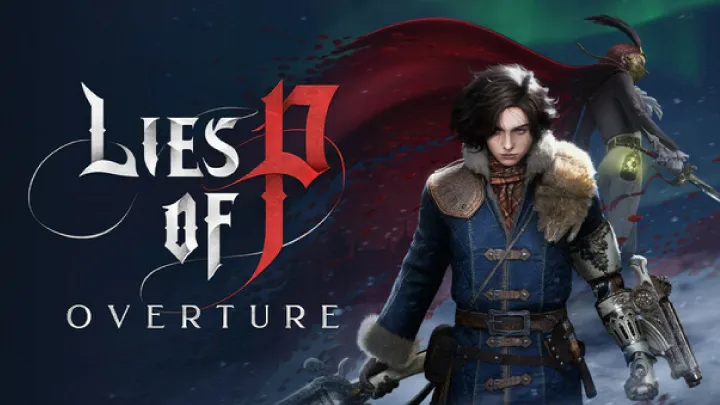
Lies of P has captivated audiences with its dark, twisted reimagining of the classic story of Pinocchio, merging elements of action RPGs with a rich narrative. Players are thrust into a brooding world filled with mechanical puppets and moral quandaries, as they guide Pinocchio on a quest to uncover the truth about his existence. However, one of the most significant issues the game faces is the balance between its compelling narrative and the gameplay mechanics that drive it. This article will explore this delicate balance, diving deep into how Lies of P navigates its themes and combat systems while maintaining player engagement throughout.
The Premise: A Dark Reinterpretation
At its core, Lies of P follows the story of the puppet Pinocchio in a world that fuses elements of Belle Époque and steampunk aesthetics. As players navigate through the grim surroundings of the city of Krat, they encounter a narrative deeply rooted in themes of humanity, truth, and deception.
Setting the Stage: The World of Krat
The city of Krat is a haunting backdrop for the game, filled with dark alleyways, eerie music, and atmospheric details that evoke a sense of dread. This oppressive environment acts as a character in its own right, affecting the player’s psychological experience while navigating through it.
Visual Aesthetics and Art Direction
The visual design is striking, showcasing a blend of intricate architectural styles combined with a moody color palette. The aesthetics not only enhance immersion but also reflect the themes of decay and transformation, embodying Pinocchio's journey through a corrupted world.
The Narrative Framework: Moral Choices
The game's story centers around moral choices, weaving together classic folklore elements and philosophical dilemmas. Players must navigate a world where truth and lies are inextricably linked, prompting them to consider the implications of their decisions.
Resonance with Themes of Humanity
As players take on the role of Pinocchio, they grapple with questions of identity and existence, reflecting on what it means to be human. This complexity adds a depth to the narrative that challenges players beyond mere gameplay.
The Challenge of Gameplay Mechanics
While the narrative is compelling, it must harmonize with gameplay mechanics to create a satisfying experience. Ensuring that combat, exploration, and character progression align with the story's themes is a significant challenge for any game.
Combat System: Engagement and Complexity
The combat in Lies of P relies on a souls-like mechanics system, characterized by strategic timing, dodging, and punishing attacks. This system requires players to master the mechanics to survive against formidable adversaries.
Skill Variety and Character Progression
Players can choose from various weapons and tools, each with unique attributes that affect combat style. This variety introduces an element of strategy, allowing players to tailor their approach based on their preferences.
Balancing Difficulty and Enjoyment
However, the challenge lies in balancing the difficulty curve. Souls-like games are known for their punishing scenarios, and Lies of P is no exception. While difficulty can heighten tension and achievement, excessive frustration may lead to disengagement.
Feedback Loops in Gameplay
Effective feedback loops are crucial to retaining player interest. As players progress, they should experience a sense of growth, moving from frustration to mastery without feeling overwhelmed.
Narrative Depth: The Lies We Tell
The storytelling in Lies of P encourages players to confront their own beliefs, with choices leading to varied consequences. This aspect enhances both immersion and complexity but also poses challenges in maintaining balance.
Choices and Consequences
Throughout the game, players are presented with moral dilemmas that echo the central theme: the nature of lies and truth. Choices made can impact the world around Pinocchio, shaping the narrative's direction.
Emotional Weight
The weight of these choices should resonate with the player. Decisions should evoke an emotional response; however, the game must be cautious not to trivialize the severity of the outcomes.
Narrative Integration with Gameplay
To ensure that the narrative's depth is felt during gameplay, choices should influence the mechanics themselves. For example, player decisions could unlock unique combat abilities or alter enemy behaviors based on moral alignments.
Exploring the Role of Companionship
In Lies of P, the protagonist is not alone in his journey. The dynamics of companion characters add richness to both the narrative and gameplay but bring additional challenges as well.
Companion Characters: Enhancing Story and Mechanics
The inclusion of companion characters who aid Pinocchio provides opportunities for both story advancement and combat strategy. Each character should offer unique skills that complement the protagonist's abilities.
Building Relationships
The relationships forged between Pinocchio and his companions can deepen the narrative experience, providing moments of relief amidst the darker thematic elements.
Balancing Companionship with Independence
While companions can enhance gameplay, they can also detract from the player’s experience if not implemented effectively. Systems must allow cooperative play mechanics without overshadowing the protagonist’s agency.
Environmental Storytelling: A Dual Narrative
The world of Krat contributes heavily to the narrative of Lies of P, adding layers of depth through environmental storytelling. This element enriches players' understanding of the story and its characters.
Utilization of Space
Players can uncover lore through exploration, revealing hidden dialogues, items, and context that make the world feel alive. Environments laden with details allow for a deeper comprehension of the overarching narrative.
Interactivity and Context
Interactive elements scattered throughout the environment further enhance the experience. For instance, finding journals or remnants of past events provides insights into the world’s history, amplifying investment in character motivations.
Weaving Narrative Into Environment
The challenge lies in ensuring that environmental storytelling seamlessly integrated with the main plot does not disrupt immersion. Players should feel driven to explore, but excessive reliance on lore not tied to gameplay can lead to frustration.
Player Feedback and Community Engagement
As Lies of P develops, community feedback and player insights are vital for refining gameplay mechanics and narrative elements. Engaging with the player base fosters a sense of inclusivity and trust.
Gathering Insights Post-Launch
Developers should actively solicit player experiences, listening to feedback regarding combat fluidity, narrative impact, and character interactions. Community forums, surveys, and social media can serve as platforms for discussion.
Areas for Improvement
- Combat Difficulty: Players often express a desire for further balancing in combat mechanics to prevent frustration.
- Narrative Choices: Feedback may reflect a need for clearer consequences related to player choices earlier in the game.
- Companion Integration: Players might suggest improvements to how companions contribute to the gameplay experience without overshadowing the protagonist.
Iterating Based on Community Feedback
Incorporating player feedback informs ongoing development and can lead to substantive updates. Continuous engagement is critical, offering players opportunities to share their thoughts on patches and game mechanics.
The Future of Lies of P
Looking ahead, Lies of P has the potential to become a crucial entry in the gaming landscape. How the developers choose to evolve the game in response to community feedback and emerging trends will be key.
Planned Updates and Content Addition
Future updates should address current challenges while introducing fresh content. Expansions could include additional story arcs or even new characters that enhance the existing narrative.
Continuous Development
Having a roadmap for post-launch content based on community engagement will ensure that the game evolves, providing players with a reason to return and explore further.
Cultivating Longevity
By establishing a well-balanced relationship between gameplay mechanics and narrative depth, Lies of P can cultivate a community that is both engaged and loyal. Continuous innovation in character and gameplay design can solidify the game’s stature within the industry.
Conclusion
Lies of P embodies a complex interplay between storytelling, gameplay mechanics, and the player's emotional connection to the narrative. As the game navigates the challenges of balancing stealth, combat, and moral choices, it offers a rich experience that captures the essence of its twisted fairy tale roots. By listening to community feedback and continuously refining the game, developers can create a lasting impression that resonates with both new and veteran players, ensuring that Lies of P remains a significant part of the gaming landscape for years to come.
Summary