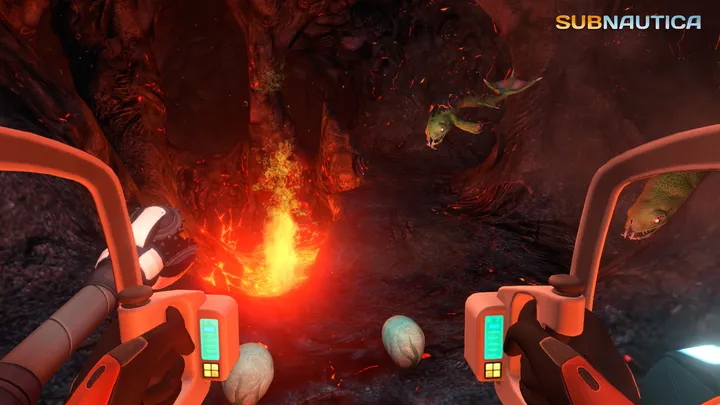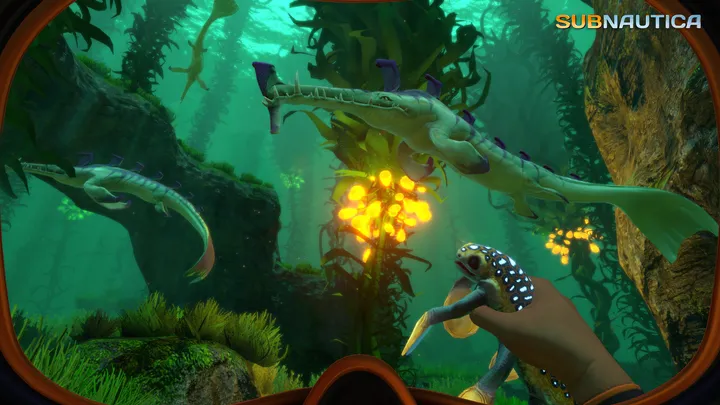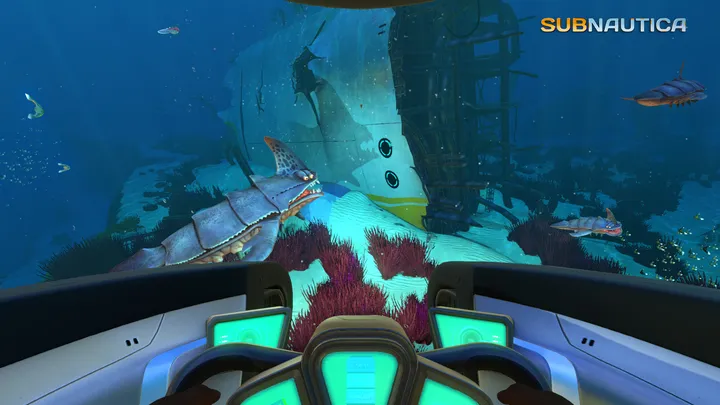







Subnautica is one of the most immersive survival games ever created, combining underwater exploration, crafting, storytelling, and horror into a massive alien ocean adventure. Stranded on an unknown planet after your spaceship crashes, you must survive by gathering resources, building habitats, crafting vehicles, and uncovering the mysteries hidden beneath the ocean surface.
Unlike many survival games, Subnautica does not hold your hand. Players are expected to experiment, explore, and adapt to increasingly dangerous environments. Early mistakes—such as ignoring oxygen levels or exploring dangerous biomes too soon—can quickly lead to death. The deeper you go, the more hostile and mysterious the world becomes.
This complete “how to” guide explains how to survive and progress efficiently in Subnautica. Organized step by step according to the natural flow of the game, this guide will help both beginners and experienced players master exploration, crafting, base building, and deep-sea survival.
1. How to Survive the First Day in Subnautica
Your first moments in Subnautica are critical. After escaping the lifepod, you begin with almost no resources and limited equipment. The immediate priority is survival.
The first thing players should focus on is gathering food, water, and basic crafting materials. Without preparation, dehydration and oxygen shortages become major threats very quickly.
Essential Early Resources
- Titanium from metal salvage
- Quartz for glass crafting
- Creepvine samples for silicone rubber
- Acid mushrooms for batteries
Early Survival Priorities
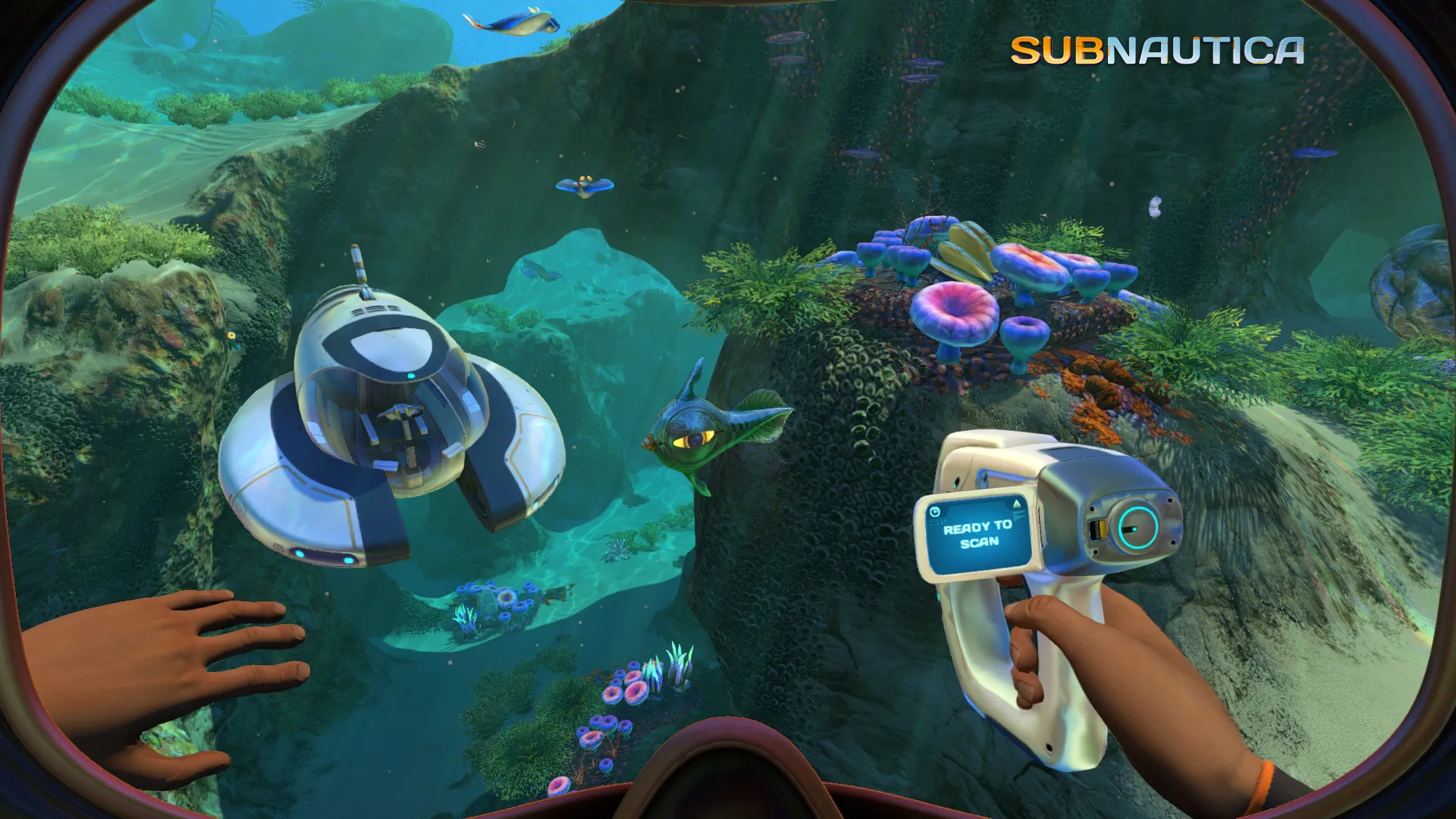
- Craft a scanner
- Build a repair tool
- Create fins and oxygen tanks
- Gather food and water consistently
Beginner Tip
Stay close to the lifepod early in the game. The nearby Safe Shallows biome contains most beginner resources.
2. How to Manage Oxygen and Exploration Safely
Oxygen management is the foundation of survival in Subnautica. Many new players die simply because they underestimate travel distance underwater.
Always monitor your oxygen meter before exploring caves or deep areas. Running out of oxygen is one of the fastest ways to fail.
Oxygen Management Strategies
- Surface before reaching critical oxygen levels
- Upgrade oxygen tanks early
- Use air pipes or vehicles for deep dives
Exploration Safety Rules
- Memorize cave entrances
- Avoid deep areas without preparation
- Carry extra food and water during long trips
Important Advice
Never panic when oxygen gets low. Calm movement often saves more oxygen than frantic swimming.
3. How to Gather Resources Efficiently
Resource collection becomes increasingly important as the game progresses. Efficient gathering saves time and reduces unnecessary risks.
Different biomes contain specific materials, so understanding where resources spawn is essential.
Common Resource Locations
- Limestone outcrops: copper and titanium
- Sandstone outcrops: silver and gold
- Creepvine forests: silicone materials and seeds
- Red grass areas: advanced fragments and quartz
Resource Gathering Tips
- Scan everything you discover
- Carry multiple storage containers
- Organize resources by category
Efficiency Tip
Build small temporary storage areas near resource-heavy biomes.
4. How to Unlock Blueprints and Craft Better Equipment
Progression in Subnautica depends heavily on scanning fragments to unlock blueprints. Without upgraded equipment, deeper exploration becomes impossible.
Scanning technology fragments unlocks tools, vehicles, and habitat pieces.
Essential Early Blueprints
- Seaglide
- Mobile Vehicle Bay
- Habitat Builder
- Radiation Suit
Crafting Priorities
- Mobility upgrades first
- Survival tools second
- Base-building equipment third
Key Insight
The scanner is one of the most important tools in the game. Use it constantly.
5. How to Build Your First Base
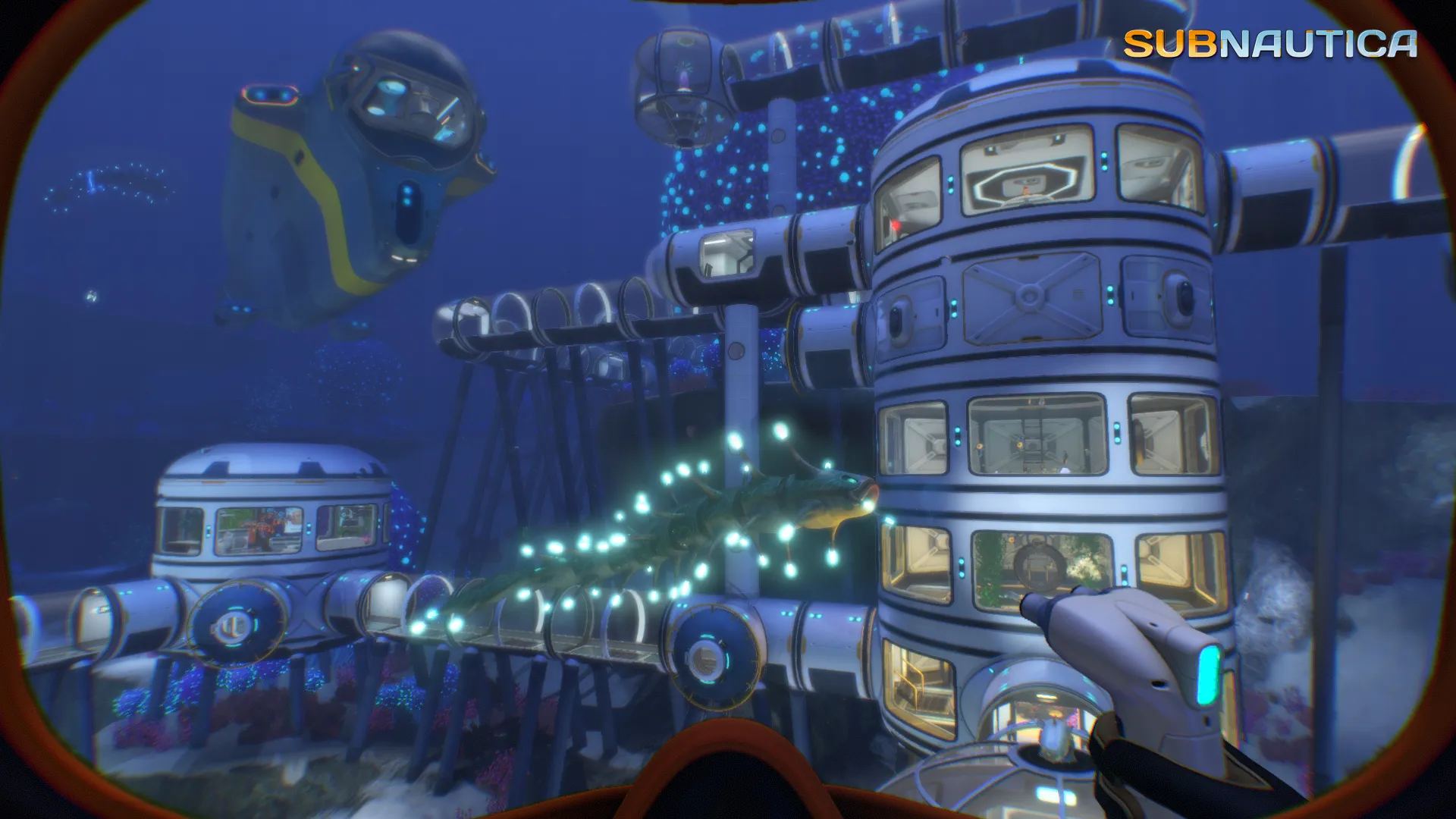
Eventually, the lifepod becomes too limited for long-term survival. Building a permanent base gives you storage, crafting stations, and safety.
Choosing the right base location is important. Good locations provide nearby resources and safe access to multiple biomes.
Ideal Base Features
- Access to sunlight for solar power
- Nearby resource zones
- Flat terrain for expansion
Essential Base Modules
- Multipurpose room
- Solar panels
- Fabricator
- Storage lockers
Base Building Tip
Build your first base in a safe biome before expanding into dangerous areas.
6. How to Use Vehicles Effectively
Vehicles dramatically improve exploration and survival. Each vehicle serves a different purpose and allows access to deeper zones.
The Seamoth is ideal for mid-game exploration, while the Cyclops and Prawn Suit dominate late-game progression.
Main Vehicles
- Seamoth: fast exploration
- Prawn Suit: deep mining and combat resistance
- Cyclops: mobile base and long-distance travel
Vehicle Survival Tips
- Always repair damage immediately
- Carry spare batteries and power cells
- Avoid hostile creatures when possible
Important Warning
Do not leave vehicles unattended near aggressive predators.
7. How to Survive Dangerous Creatures
Subnautica’s ocean is filled with hostile wildlife. Some predators are minor threats, while others can destroy vehicles instantly.
Understanding creature behavior is more effective than direct confrontation.
Common Dangerous Creatures
- Stalkers
- Bone Sharks
- Warpers
- Reaper Leviathans
Survival Techniques
- Stay aware of sound cues
- Use decoys and distractions
- Avoid unnecessary combat
Critical Advice
If you hear a Leviathan before seeing it, leave the area immediately.
8. How to Explore Deep Biomes Safely
The deeper biomes contain the game’s most important story content and rare resources. However, they are also extremely dangerous.
Preparation becomes essential before deep exploration.
Deep Exploration Checklist
- Upgraded oxygen systems
- Reinforced diving suit
- Vehicle depth modules
- Food and water supplies
Important Deep Biomes
- Lost River
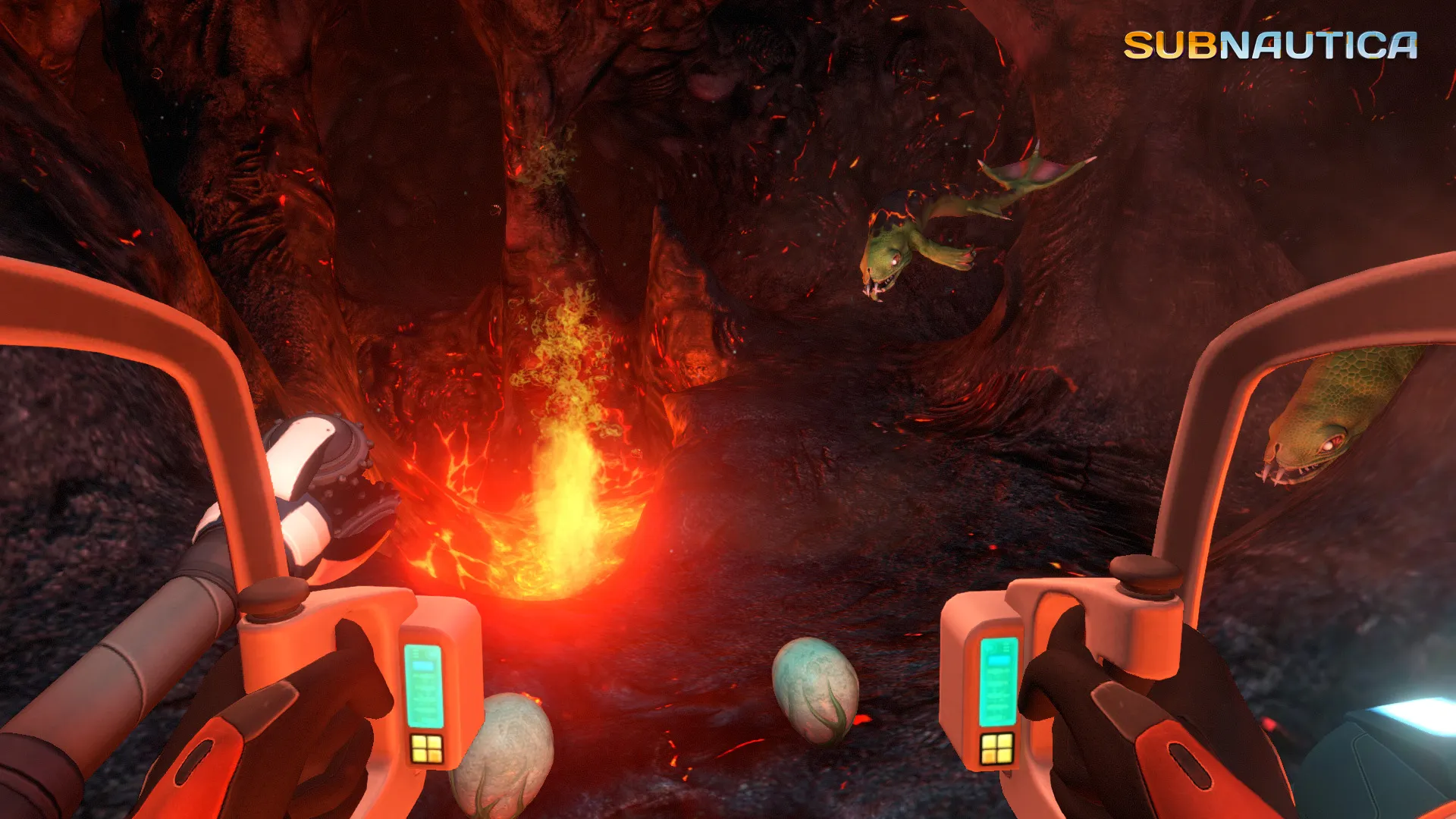
- Inactive Lava Zone
- Grand Reef
- Blood Kelp Zone
Exploration Rule
Never explore deep zones without a clear escape plan.
9. How to Progress Through the Story Efficiently
Subnautica’s story unfolds through exploration, radio messages, and alien structures. Unlike traditional games, objectives are not always clearly marked.
Players must investigate clues and signals carefully.
Story Progression Tips
- Check radio messages regularly
- Explore every distress signal
- Scan alien technology whenever possible
Key Progression Strategy
The story generally pushes players deeper into the ocean over time.
Important Insight
If you feel stuck, the answer is usually deeper exploration.
10. How to Prepare for the Endgame
Late-game survival requires advanced technology, deep-sea navigation, and resource management. The final stages of Subnautica combine exploration, crafting, and storytelling into a challenging conclusion.
By this point, players should have fully upgraded vehicles and reliable resource production systems.
Endgame Preparation Checklist
- Fully upgraded Cyclops or Prawn Suit
- Large food and water reserves
- Ion power technology
- Advanced crafting materials
Final Survival Advice
Move carefully in lava zones and monitor vehicle power constantly.
Endgame Tip
Preparation matters more than speed during the final hours of the game.