





Guilty as Sock! is a fast-paced party deduction hot game that thrives on humor, deception, and unpredictable player behavior. Designed for group play, it throws logic out the window and replaces it with absurd accusations, rapid-fire decisions, and social chaos. Learning how to read people is just as important as understanding the rules.
Unlike traditional deduction games that rely on careful analysis, Guilty as Sock! embraces nonsense and energy. This article explores the game from first-time play to advanced mastery, explaining why it has become a hot game for parties, streamers, and friends looking for loud, memorable fun.
1. Introduction to Guilty as Sock! and Its Party Game Identity
Guilty as Sock! immediately establishes itself as a game that does not take itself seriously. Players are thrown into quick rounds filled with accusations, shouting, and laughter.
This design makes it a hot game for social settings. Learning how to react quickly and confidently matters more than deep strategy.
The game’s identity is built around chaos, making every session unique and unpredictable.
2. How to Get Started Playing Guilty as Sock!
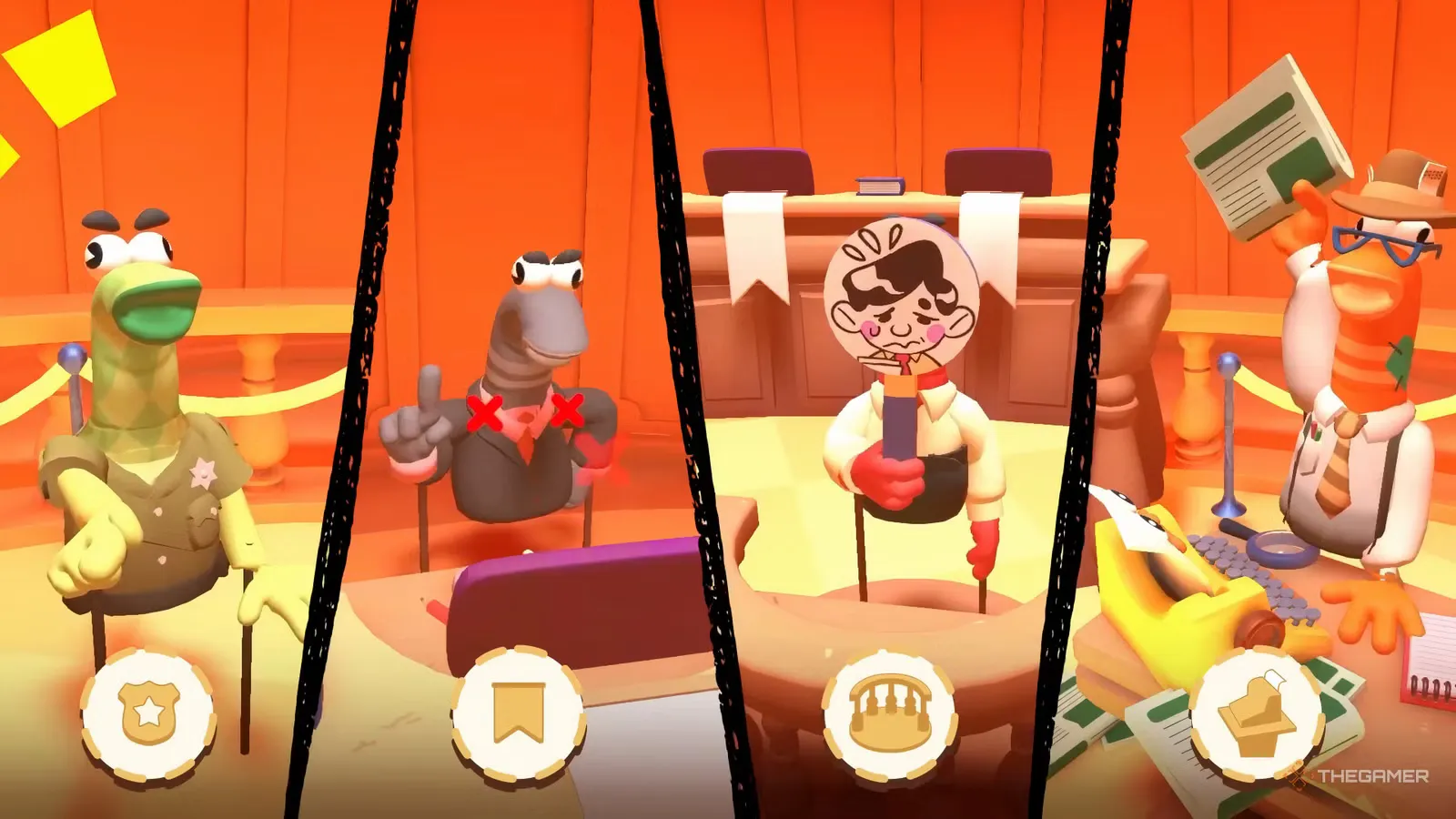
Starting Guilty as Sock! is simple. Players join a lobby, receive roles, and jump straight into the madness.
Understanding how to follow the basic flow of rounds is enough to begin. The game intentionally avoids complexity.
Beginner tips:
- Speak up early
- Don’t overthink logic
- Embrace mistakes
Confidence beats correctness.
3. Core Gameplay Mechanics Explained
The core mechanics of Guilty as Sock! revolve around accusation, defense, and voting. Players must decide who is guilty with limited or confusing information.
Learning how to lie convincingly or accuse boldly gives players an edge. Hesitation often looks suspicious.
Core mechanics include:
- Role assignment
- Timed discussions
- Group voting
Speed keeps energy high.
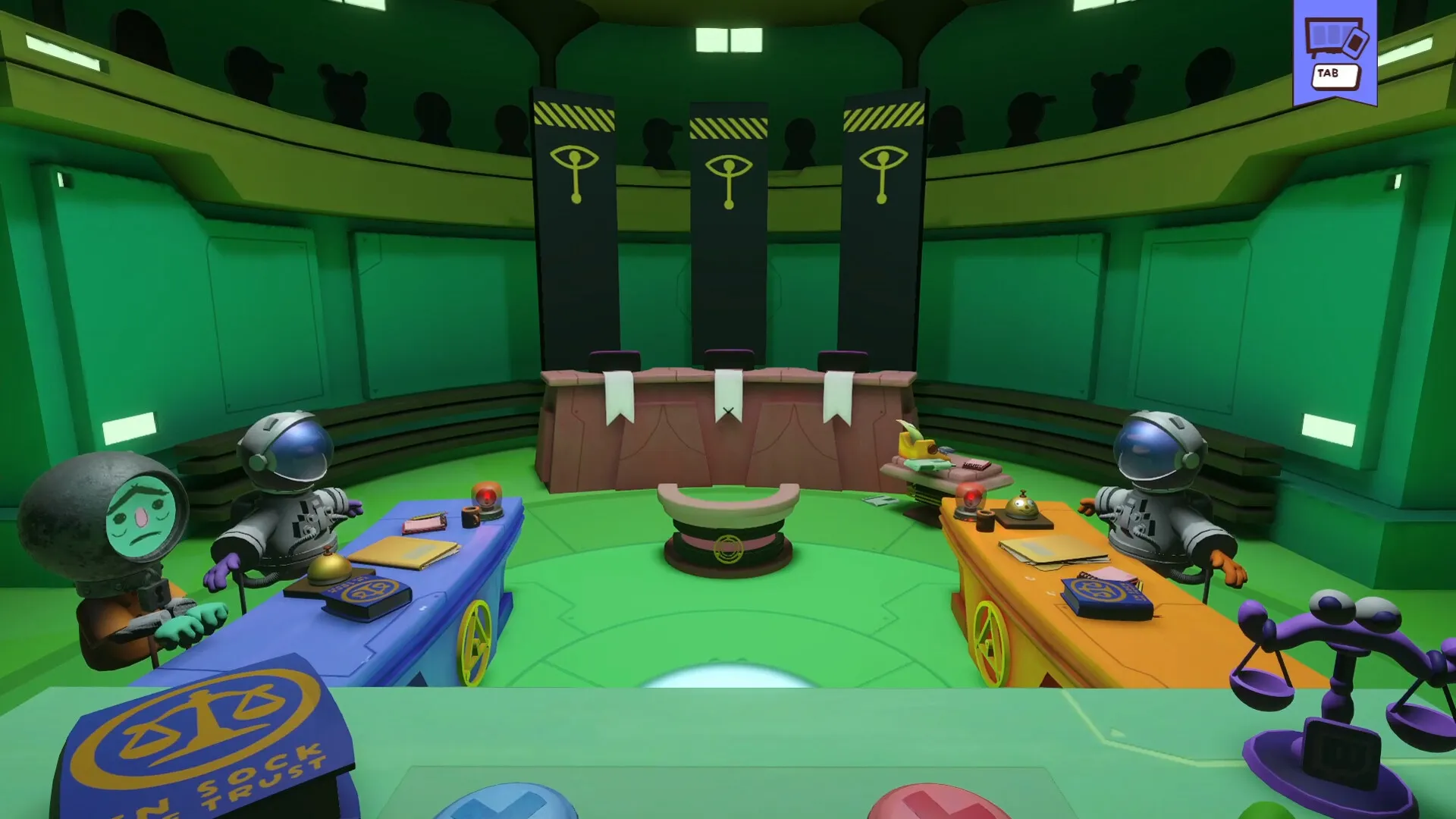
4. Roles, Guilt, and Social Deception
Roles in Guilty as Sock! determine who is guilty and who is innocent, but information is intentionally unclear.
Players must learn how to use tone, confidence, and timing to influence others. Facts matter less than persuasion.
Role dynamics:
- Guilty players bluff
- Innocent players mislead accidentally
- Everyone doubts everyone
Chaos is the point.
5. How to Communicate and Accuse Effectively
Communication is the strongest weapon in Guilty as Sock!. Loud voices often dominate quiet logic.
Learning how to accuse without evidence is a core skill. Confidence can override truth.
Communication strategies:
- Accuse quickly
- Interrupt strategically
- Sound certain, not correct
Social pressure wins rounds.
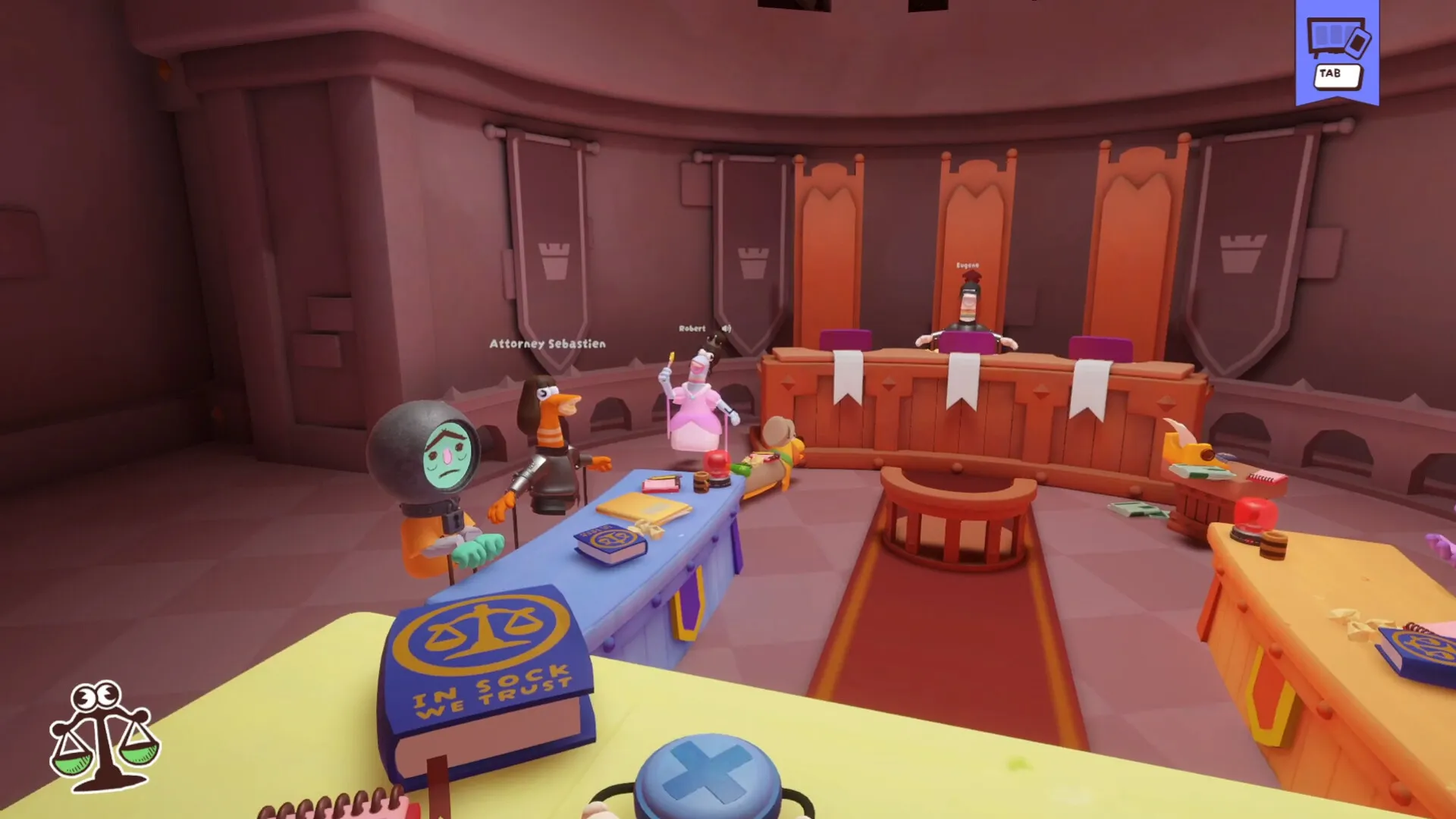
6. Why Guilty as Sock! Is a Hot Game
Guilty as Sock! is a hot game because it removes barriers. Anyone can play, regardless of gaming experience.
Players learn how to enjoy failure as much as success. Losing is often funnier than winning.
Reasons for popularity:
- Fast rounds
- Streamer-friendly chaos
- High replay value
Laughter drives engagement.
7. Group Dynamics and Party Atmosphere
The experience of Guilty as Sock! depends heavily on the group. Loud, energetic players amplify the fun.
Learning how to adapt to different personalities improves enjoyment. Quiet players may need encouragement.
Party dynamics include:
- Inside jokes forming quickly
- Friendly arguments
- Escalating chaos
Energy defines the game.
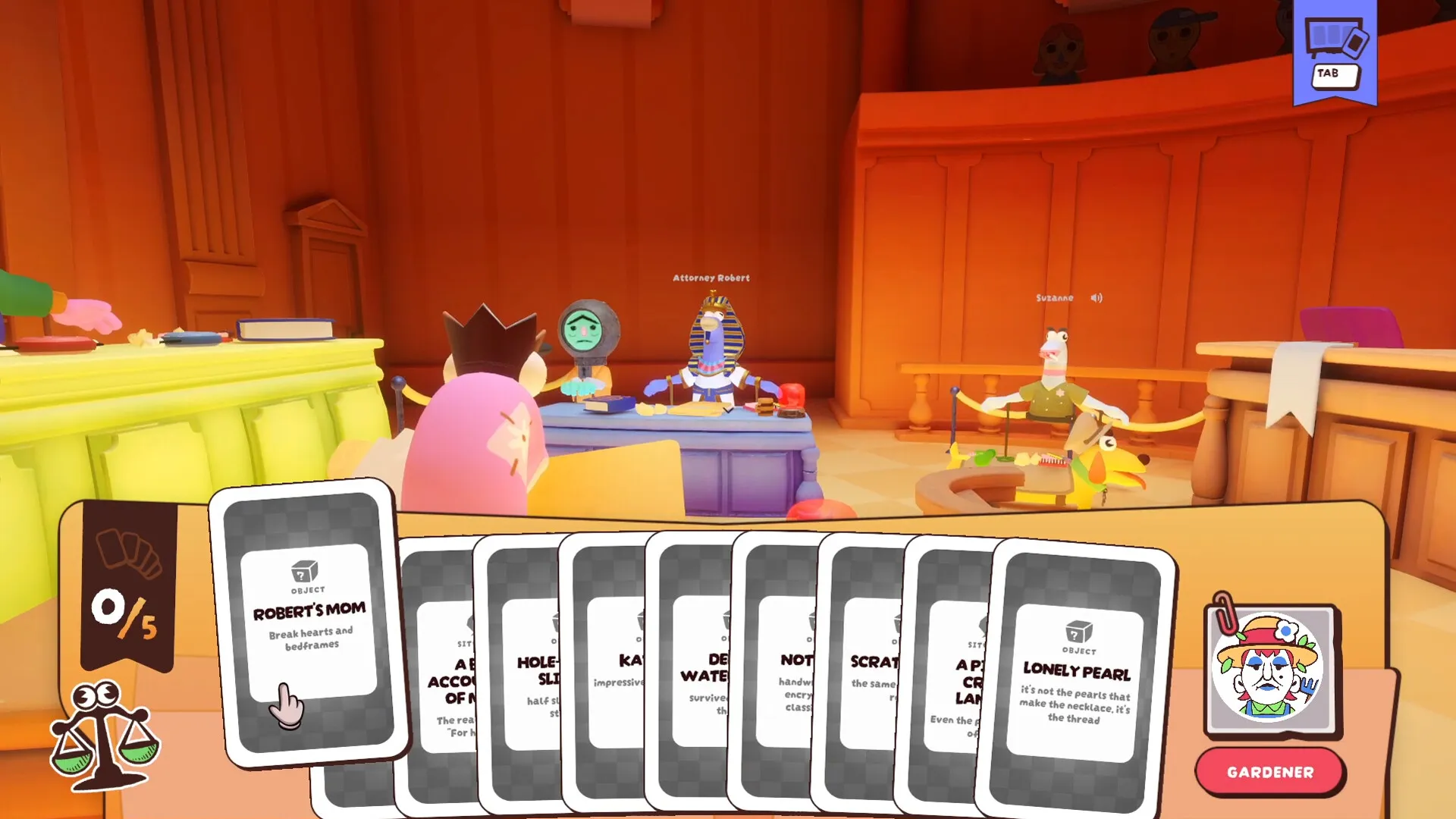
8. Common Mistakes and How to Avoid Them
Many players approach Guilty as Sock! too seriously. This often reduces enjoyment.
Learning how to let go of logic enhances the experience.
Common mistakes:
- Staying silent
- Overanalyzing clues
- Taking accusations personally
The game rewards boldness.
9. Advanced Play and Psychological Tactics
Advanced players of Guilty as Sock! focus on psychology rather than rules.
Learning how to manipulate perception becomes key. Accusing confidently even when wrong can shift votes.
Advanced tactics:
- Fake certainty
- Deflect blame humorously
- Control discussion pace
Mind games dominate.
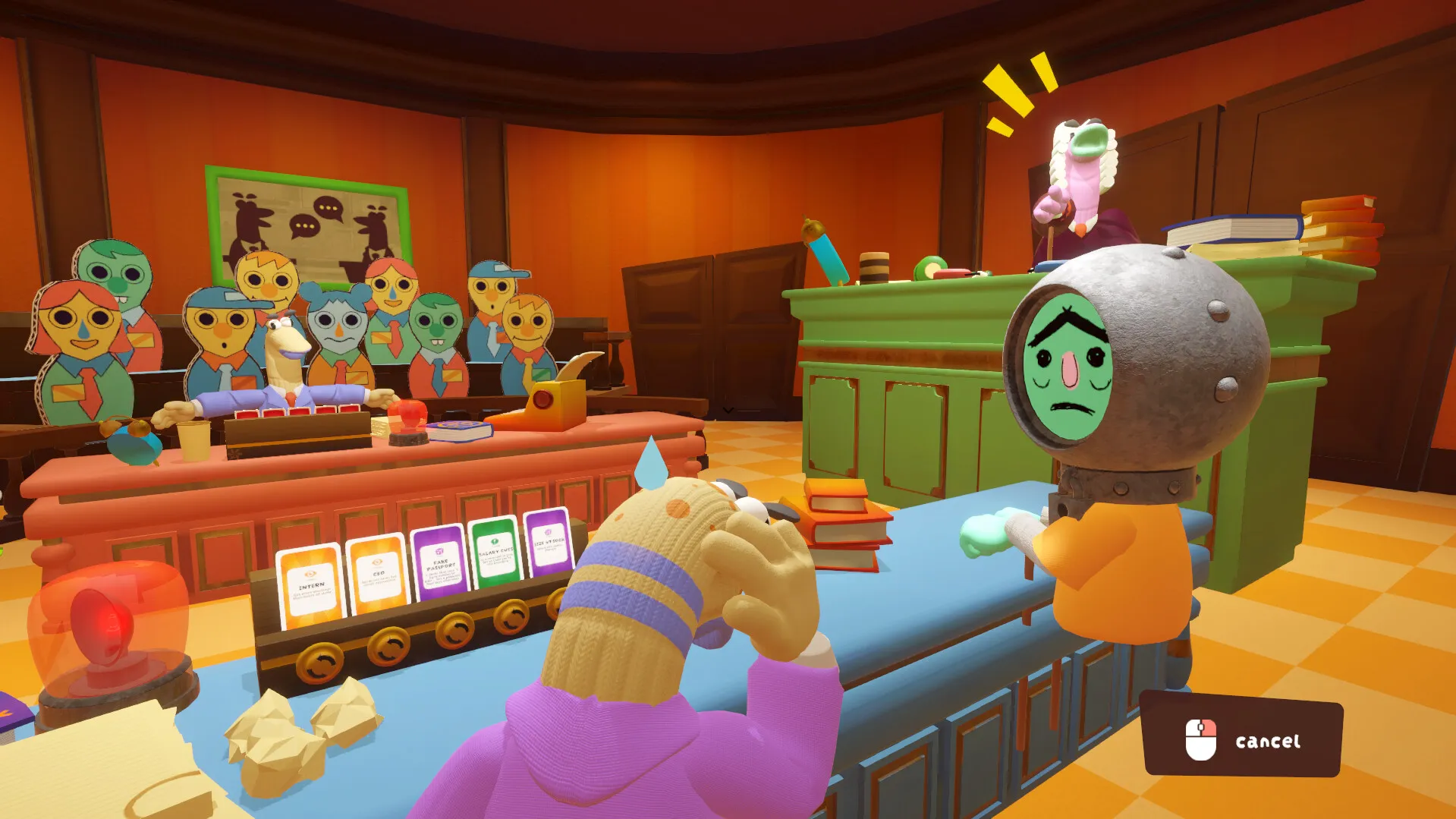
10. Long-Term Fun and Replay Value
The replay value of Guilty as Sock! comes from human unpredictability. No two groups play the same way.
Players who learn how to embrace chaos enjoy endless replayability.
Reasons for longevity:
- Short sessions
- Different group chemistry
- Constant laughter
People are the content.
Conclusion: Why Guilty as Sock! Is Party Game Gold
Guilty as Sock! earns its place as a hot game by turning accusation and confusion into comedy. By learning how to speak confidently, accuse boldly, and laugh at failure, players create unforgettable moments. It is not about being right—it is about being loud, ridiculous, and having fun.