

Popularity in gaming is rarely accidental. The world’s most-played games reach the top through strong mechanics, cultural timing, and long-term support. However, sustained popularity often introduces deep structural issues that shape player behavior, community sentiment, and future development. This article examines three of the most popular games in the world—Fortnite, League of Legends, and Minecraft—by analyzing a single critical issue in each. Rather than celebrating success, this analysis explores how live-service pressure, balance instability, and creative stagnation influence the long-term health of these games.
The Meaning of Popularity in Modern Games
Modern popularity is no longer defined by sales alone. Persistent player counts, streaming visibility, esports relevance, and cultural penetration now determine whether a game remains dominant. Fortnite, League of Legends, and Minecraft represent three different models of popularity, yet all rely on continuous engagement rather than finite experiences.
This shift creates a shared vulnerability: games must constantly change to survive. Updates become mandatory, not optional, and developers face pressure to deliver novelty without undermining the core identity that made the game successful.
Fortnite’s Live-Service Dependency
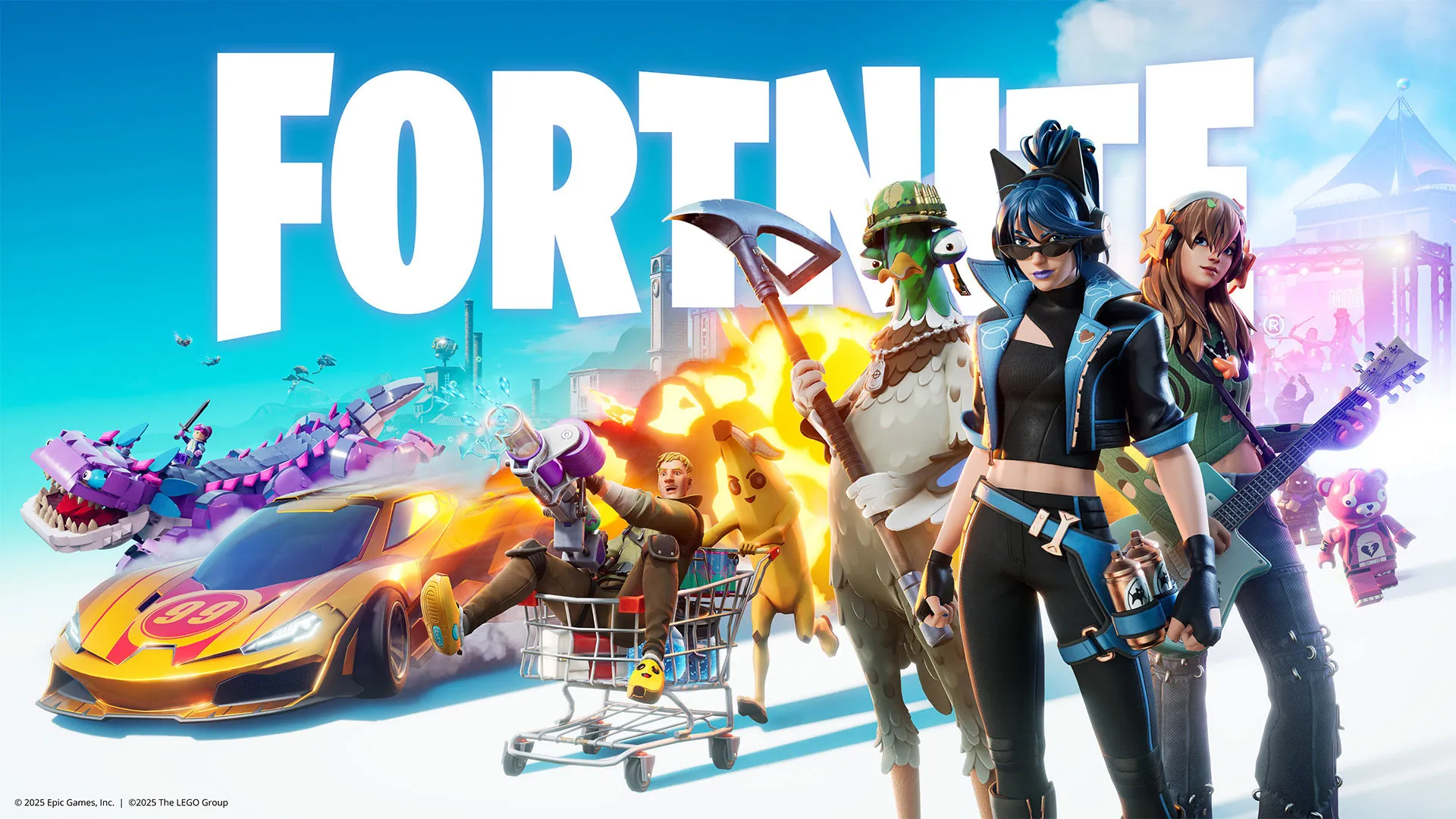
Fortnite’s rise was fueled by its aggressive live-service model. Frequent seasons, collaborations, and mechanical changes keep the game culturally relevant. However, this approach creates a dependency on constant reinvention, turning change into a requirement rather than an enhancement.
Over time, the need to refresh content has altered how players perceive progress. Engagement is increasingly driven by limited-time events rather than intrinsic gameplay mastery.
Content Saturation and Player Fatigue in Fortnite
The rapid release cycle in Fortnite has led to content saturation. New weapons, mechanics, and modes often arrive before players fully adapt to previous changes. This shortens learning curves and weakens long-term attachment to specific playstyles.
As a result, player fatigue emerges not from lack of content, but from excessive novelty. The game becomes less about skill retention and more about constant re-adaptation.
The Identity Fragmentation of Fortnite
Fortnite’s collaborations with external franchises have expanded its audience but diluted its identity. Visual consistency and narrative cohesion are often sacrificed for short-term excitement and marketing reach.
This fragmentation raises questions about sustainability. When a game’s identity becomes flexible to the point of instability, long-term emotional investment becomes harder to maintain.
League of Legends and Balance as a Moving Target
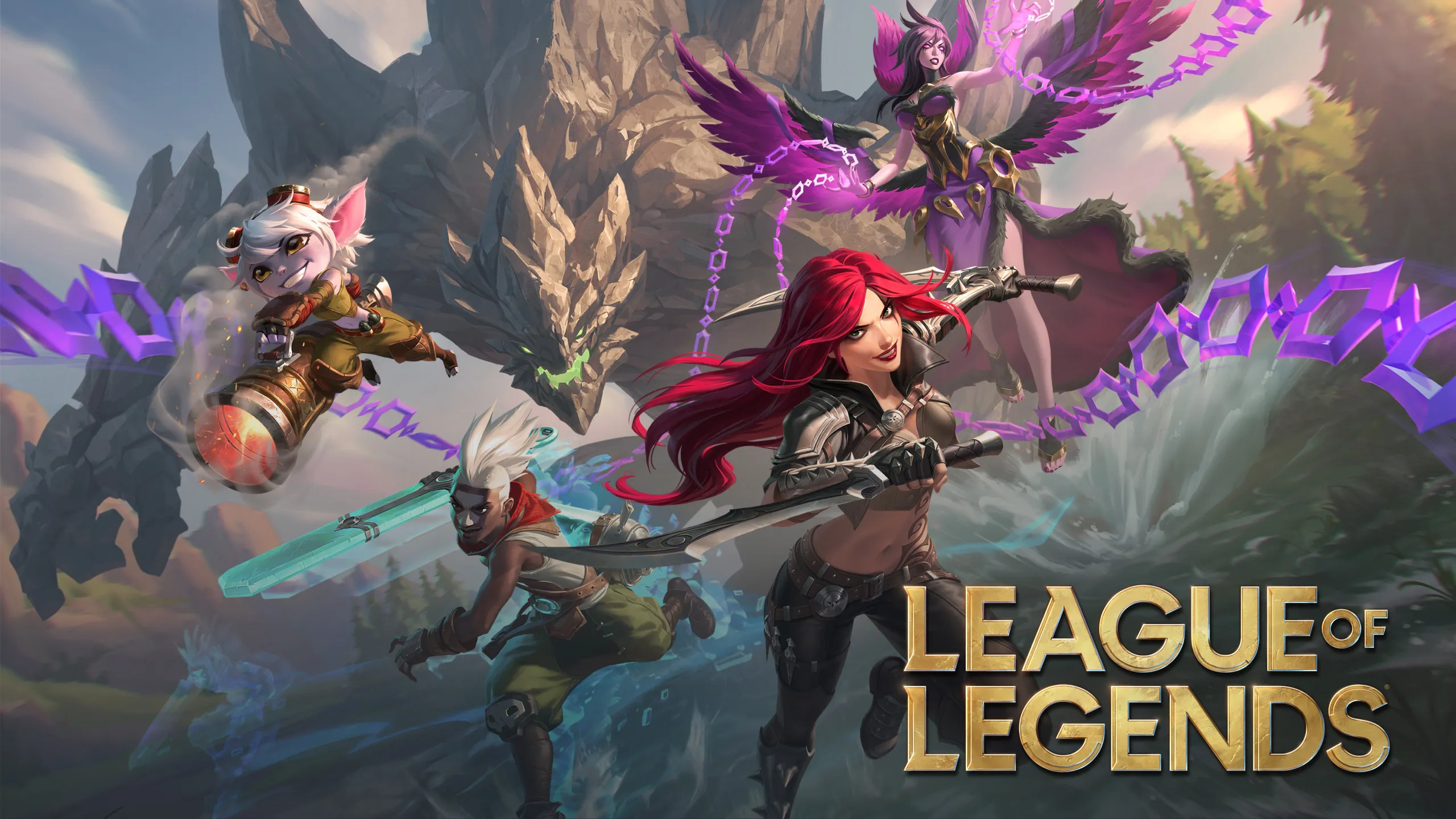
League of Legends thrives on competitive balance, yet its constant evolution creates systemic instability. Regular patches adjust champions, items, and mechanics, preventing the meta from settling for extended periods.
While this approach keeps gameplay fresh, it also undermines mastery. Players are often forced to relearn fundamentals, shifting focus from strategic depth to adaptation speed.
Power Creep and Champion Inflation
As League of Legends expands its roster, new champions often introduce increasingly complex kits. This power creep raises the baseline complexity of the game and marginalizes older designs.
Balance becomes reactive rather than proactive. Instead of refining systems, patches frequently compensate for prior excesses, creating a cycle of escalation.
Competitive Integrity vs Accessibility in League of Legends
The balance philosophy increasingly prioritizes high-level play, sometimes at the expense of accessibility. Mechanics designed for professional competition can alienate casual players.
This tension creates fragmentation within the player base, where different segments experience fundamentally different versions of the same game.
Minecraft’s Creative Freedom Paradox
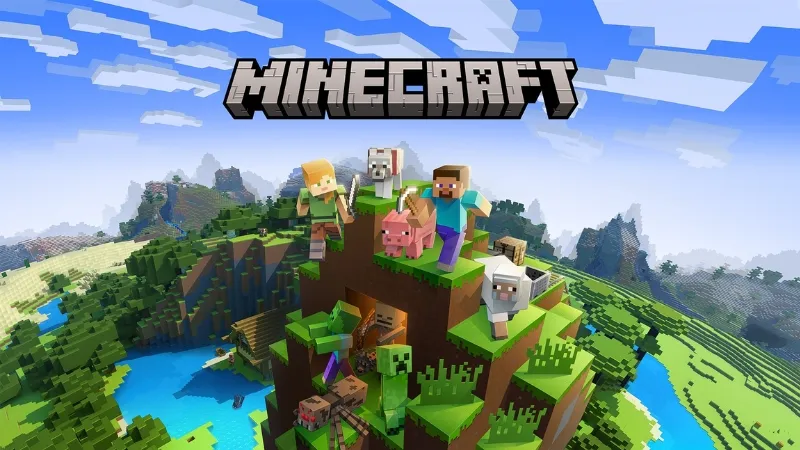
Minecraft’s enduring popularity is rooted in player creativity. However, its reliance on community-driven content introduces a paradox: official updates struggle to feel impactful in a game defined by user innovation.
As modding and custom servers expand possibilities, official updates risk feeling incremental rather than transformative.
Update Expectations and Creative Stagnation
Minecraft updates are often judged against community-created content that evolves faster than official development cycles. This comparison creates inflated expectations that are difficult to satisfy.
When updates fail to redefine core systems, they may feel cosmetic, reinforcing perceptions of stagnation despite ongoing support.
The Future Sustainability of Minecraft’s Core Vision
Minecraft faces the challenge of evolving without compromising its minimalist foundation. Excessive complexity could undermine accessibility, while insufficient innovation risks irrelevance.
The game’s longevity depends on balancing restraint with meaningful systemic evolution rather than feature accumulation.
Shared Lessons Across the Top Three Games
Despite their differences, Fortnite, League of Legends, and Minecraft reveal a shared truth: long-term popularity magnifies design flaws. Systems that succeed at scale introduce pressures that reshape player experience.
Understanding these issues provides insight into the cost of dominance in modern gaming.
Conclusion
The world’s most popular games are not defined solely by success, but by how they manage the consequences of that success. Fortnite struggles with live-service fatigue, League of Legends wrestles with balance instability, and Minecraft confronts creative stagnation. These issues do not diminish their achievements, but they define the challenges that will shape their futures. In modern gaming, staying on top is often more complex than reaching the top.
160-Character Summary
An in-depth analysis of Fortnite, League of Legends, and Minecraft, revealing how popularity creates live-service fatigue, balance instability, and creative stagnation.