







ROUTINE is a retro-futuristic sci-fi horror game set on an abandoned lunar base filled with malfunctioning robots and unsettling mysteries. Unlike action-focused titles, ROUTINE thrives on atmosphere, tension, stealth, and resource scarcity. Progression depends on careful observation, environmental awareness, and smart decision-making, not brute force.
This comprehensive 2000-word guide provides everything you need to survive the hostile moon base, escape mechanical abominations, manage limited tools, and uncover hidden secrets. With 10 detailed sections—each containing multiple paragraphs, plus h3 and h4 subsections—you’ll gain the knowledge needed to navigate ROUTINE’s complex systems and unforgiving scenarios.
1. Understanding ROUTINE’s Core Survival Philosophy
ROUTINE isn’t a traditional horror shooter—it’s a survival experience built on fear, silence, and vulnerability. The game emphasizes tension through minimal UI, limited tools, and unpredictable enemy behavior. Instead of overwhelming players, it forces them to slow down and listen.
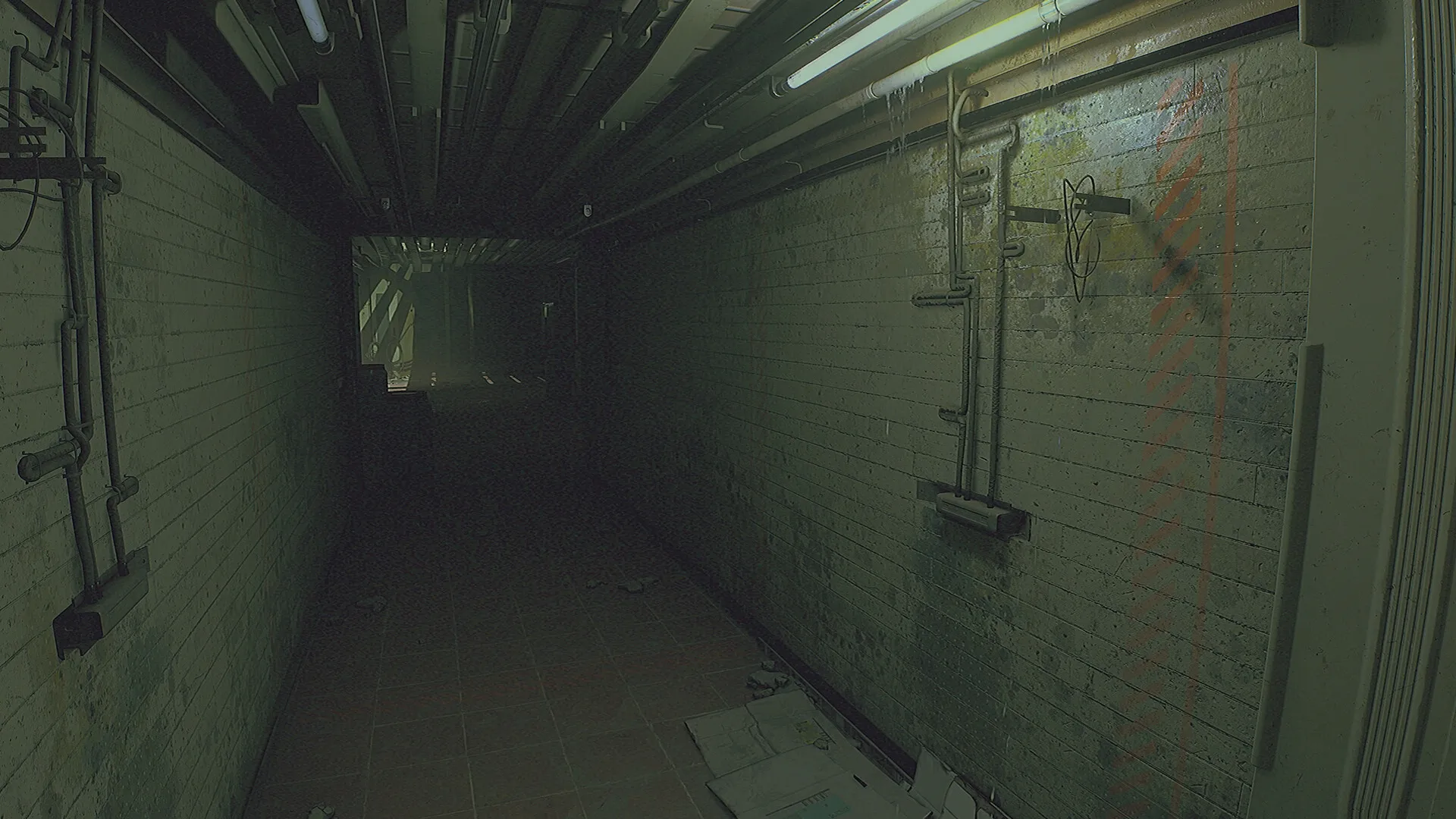
The lunar base is intentionally maze-like. Blind corners and darkened hallways force you to develop good habits, such as checking reflective surfaces and avoiding unnecessary noise. Survival isn’t just about avoiding enemies; it’s about managing stress, patience, and information.
h3: ROUTINE Rewards Slowness
Quick movements increase your risk. Moving calmly gives you more time to react.
h4: Light, Noise, and Motion Are All Risks
Every action sends a signal—always assume something can hear you.
2. Mastering Movement and Environmental Awareness
Movement is your most powerful tool. ROUTINE gives you full body awareness—leaning, crouching, peeking, careful footsteps, and limited sprinting. Learning how and when to use these makes a huge difference.
The environment is rich with details: flickering lights indicate danger zones, tight hallways hide ambush points, and open rooms can quickly become deathtraps. Every area has multiple paths, meaning you always have a quieter option.
h3: Crouch as Your Default
Crouching reduces sound dramatically and allows quick access to cover.
h4: Use Leaning Before Entering Rooms
Leaning from walls reveals enemies before they spot you.
3. Stealth Fundamentals: How to Stay Hidden
Stealth in ROUTINE goes far beyond crouching. It includes light exposure, sound levels, line of sight, and enemy path prediction. Robots have a high detection range, and once they spot movement, escape becomes much more difficult.
Your shadow, reflected lights, and even small noises—like stepping on debris—can alert machines. Staying hidden involves constantly analyzing your surroundings, choosing paths with cover, and avoiding well-lit areas.
h3: Know the Three Visibility States
- Invisible: No light, full cover
- Partially visible: Dim light or partial cover
- Fully visible: Bright light or open space
h4: Avoid Silhouettes
Walking in front of illuminated windows and panels creates easy-to-spot silhouettes.
4. The Lunar Base: Navigation & Map Mentality
ROUTINE offers minimal navigation assistance. The base feels like a labyrinth, full of identical hallways and modular rooms. Instead of maps, you must develop mental layouts.
Learn room types: maintenance halls, hangar corridors, power sectors, sleeping quarters. Each area has its own sounds and architecture, helping you identify where you are even without visual cues.
h3: Use Environmental Clues
Posters, wires, signage, and damage patterns act as breadcrumbs.
h4: Build Mental Checkpoints
After entering a new zone, consciously store at least one unique landmark.
5. Managing Resources & Equipment
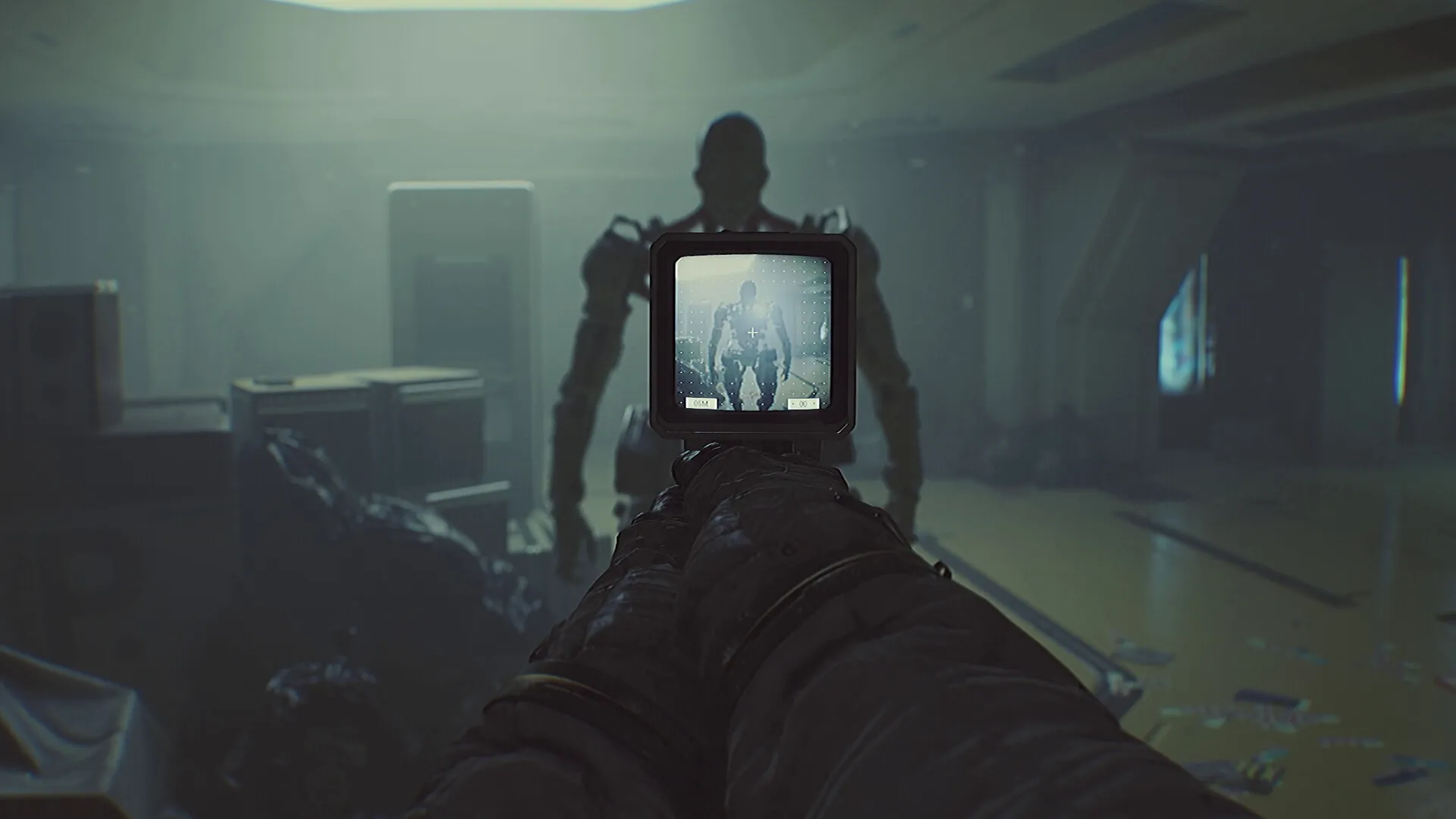
You start with almost nothing—just a basic tool and your wits. ROUTINE intentionally limits gear, forcing you to ration battery life, hacking modules, and mobility tools. There is no abundance of ammo or weapons.
Your primary device, the Cosmonaut Assistance Tool (C.A.T.), is crucial. It lets you interact with terminals, open secured doors, read logs, and use limited defensive utilities. Resource conservation becomes central to long-term survival.
h3: Always Conserve Battery Power
Only activate the C.A.T. when absolutely necessary.
h4: Scavenge Every Safe Room
Some areas have small supplies hidden in drawers, lockers, and consoles.
6. Robots & Enemies: Behavior, Patterns, and Counterplay
The robotic enemies in ROUTINE don’t behave like typical monsters. They patrol logically, respond to noise, track movement, and sometimes investigate last-known positions. They don’t rush blindly—they stalk.
Understanding each type’s behavioral loop helps you stay alive. Some robots are slow but persistent; others remain dormant until triggered; some scan with lights or sensors. Recognizing their audio cues is essential.
h3: Use Sound to Predict Patrols
Mechanical footsteps vary by distance and direction—listen closely.
h4: Never Assume an Enemy Is Gone
Robots frequently circle back or double-check suspicious zones.
7. Using the C.A.T. Device for Survival Advantage
The C.A.T. device is your lifeline. It’s not a weapon, but a multi-tool that grants strategic advantages. You can hack systems, distract robots, open hidden compartments, and override certain locks.
Its greatest power is information—accessing logs tells you what happened, which rooms to avoid, and where vulnerable systems may be located. Some logs offer hints about safe paths or enemy weaknesses.
h3: Use the Scanner Sparingly
It reveals hidden details but quickly drains power.
h4: Distraction Modules Are Game-Changers
Deploy distractions before crossing dangerous hallways or large rooms.
8. Safe Zones, Lockers & Environmental Protection
While ROUTINE is unforgiving, the game offers occasional safe areas where enemies cannot enter. These rooms let you regroup, check logs, recharge tools, and save progress. However, not every quiet area is safe—some merely give temporary relief.
Lockers and crawl spaces serve as emergency hiding spots. But you must choose them wisely; hiding too early or too often wastes time and gives enemies time to converge.
h3: Always Identify Nearest Hiding Spots
As soon as you enter a new room, locate your escape options.
h4: Don’t Hide in the Same Place Twice
Enemies learn patterns and adapt patrol routes.

9. Handling High-Tension Encounters
Encounters in ROUTINE are meant to be terrifying. Sometimes fleeing is better than fighting. When you’re discovered, the goal is to break line of sight quickly, use shadows, and find cover before the robot locks onto your position.
Your success depends on controlled panic—running blindly causes noise and collisions, making detection inevitable. Smart movement, quick thinking, and good environmental understanding can save you even after a mistake.
h3: Don’t Sprint Unless It's Life or Death
Sprinting echoes through entire corridors.
h4: Use Corners to Break Sight
Sharp turns confuse enemy tracking algorithms.
10. Endgame Preparation & Advanced Techniques
Late-game areas become more unpredictable. Patrol paths overlap, lighting becomes more unstable, and robots grow more aggressive. Your navigation skills and resource management become critical.
Advanced gameplay involves anticipating danger before it appears—listening for distant metal echoes, spotting flickers in light patterns, and understanding which areas are intentionally unsafe for story progression. The key to the endgame is strategic patience.
h3: Save Defensive Tools for Final Sectors
Resource hoarding early pays off later.
h4: Psychological Preparedness Matters
ROUTINE builds stress intentionally—staying calm improves survival decisions.
ROUTINE is not just a horror game; it’s a cerebral survival experience that tests awareness, caution, and nerve. By mastering stealth, understanding robot behavior, managing limited tools, and learning the lunar base’s layout, you dramatically increase your chances of surviving the moon’s deadly mysteries. This guide provides a complete foundation—movement, tools, hazards, endgame preparation—and ensures you never walk the station unprepared. Take your time, trust your instincts, and always assume something is watching.