Madden NFL 26 – Tips & Guides for Winning on and off the Field
Madden NFL 26 continues the franchise’s focus on realistic football simulation while refining player movement, AI behavior, and tactical depth. Success in Madden is not only about fast reflexes but also about understanding formations, playcalling, and situational football. Players who rely solely on athletic plays often struggle against disciplined opponents.
This guide is designed to help new and intermediate players build a strong foundation and improve long-term performance. Organized logically from fundamentals to advanced strategy, it covers offense, defense, and team management to help you compete confidently in every mode.
1. Understanding Core Gameplay Changes
Reading Player Movement and Physics
Madden NFL 26 places increased emphasis on realistic movement and momentum. Sharp cuts and sudden direction changes require proper timing.
Learning how players accelerate and decelerate helps avoid unnecessary turnovers and missed tackles.
AI Behavior Improvements
Defensive and offensive AI react more intelligently to repeated patterns. Predictable playcalling is punished quickly.
Adapting throughout the game is now more important than ever.
2. Mastering Basic Controls and Mechanics
Ball Carrier Control
Effective ball carrier movement requires patience. Use subtle stick movements rather than constant sprinting.
Saving sprint for open space improves control and reduces fumbles.
Tackling and Defense Basics
Defensive success starts with positioning. Overcommitting leads to missed tackles.
Break down, stay disciplined, and let plays develop.
3. Offensive Playcalling Strategy
Building a Balanced Playbook
A balanced offense keeps defenses honest. Mixing runs, short passes, and deep shots prevents predictability.
Avoid spamming favorite plays.
Reading Defensive Coverages
Identifying coverage shells before the snap gives you an advantage. Watch safeties and cornerback alignment.
Pre-snap reads often determine post-snap success.
4. Passing Game Fundamentals
Timing Over Power
Throwing with proper timing is more effective than forcing passes. Anticipate receiver breaks rather than waiting for separation.
This reduces interceptions significantly.
Pocket Awareness
Staying calm in the pocket extends plays. Step up rather than rolling out unnecessarily.
Good pocket movement creates throwing windows.
5. Running Game and Blocking Concepts
Reading Blocks
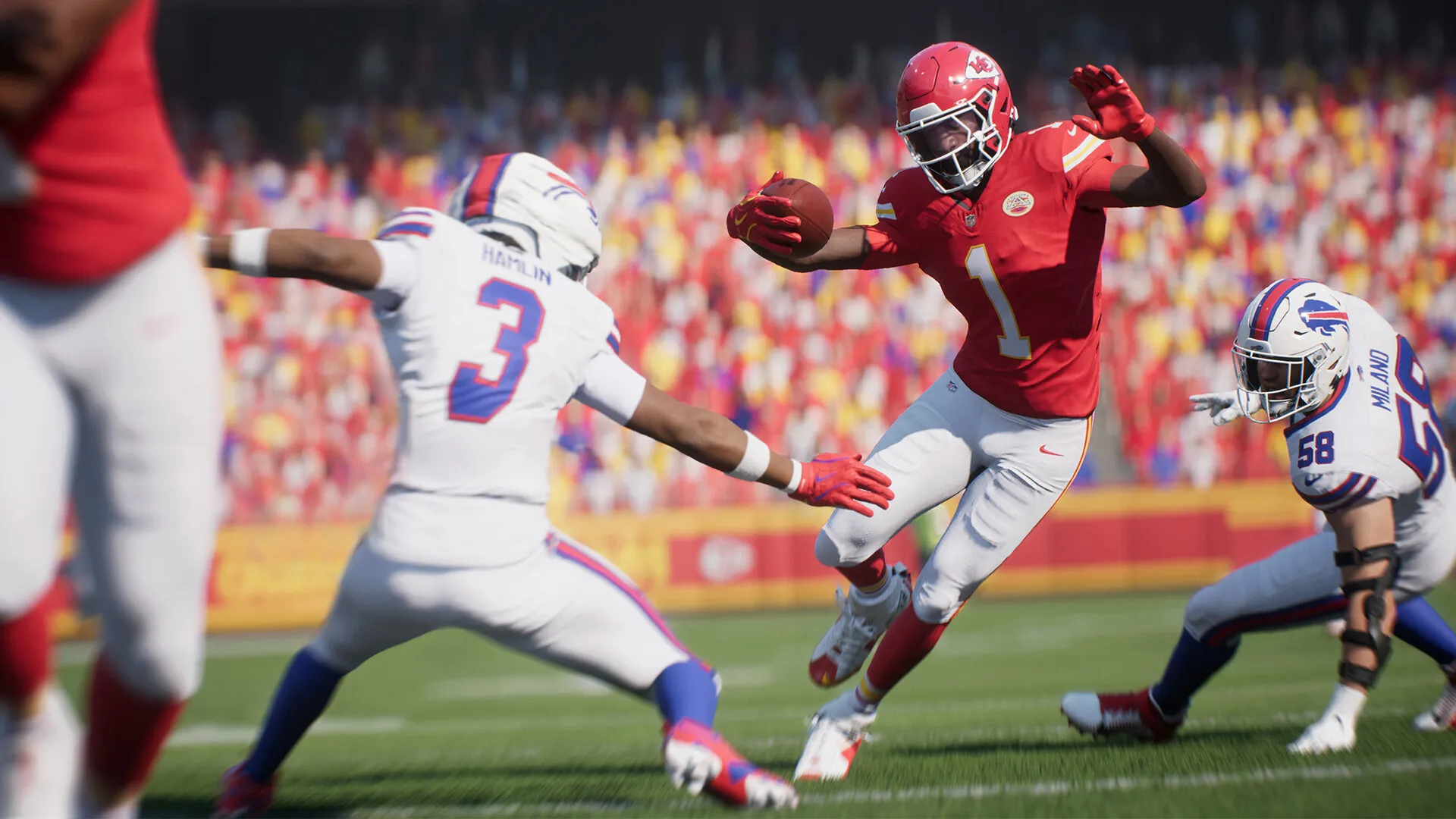
Follow your blockers instead of sprinting blindly. Patience creates running lanes.
Vision is more important than speed.
Using Different Run Types
Inside zones, outside zones, and power runs serve different purposes.
Mixing run types keeps defenses guessing.
6. Defensive Playcalling and Adjustments
Understanding Defensive Schemes
Each defensive scheme excels in specific situations. Zone defenses limit big plays, while man coverage pressures receivers.
Choose schemes based on opponent tendencies.
In-Game Adjustments
Adjust coverage, blitz frequency, and alignment during the game.
Smart adjustments shut down one-dimensional offenses.
7. Special Teams Strategy
Field Position Matters
Punting and kick returns influence momentum. Avoid risky returns deep in your own territory.
Winning the field position battle creates offensive advantages.
Kicking Consistency
Practice kick timing to improve accuracy under pressure.
Reliable special teams prevent unnecessary points.
8. Team Building and Roster Management
Understanding Player Ratings
Overall ratings matter, but specific attributes define performance.
Build rosters around scheme fits rather than star names alone.
Managing Fatigue and Injuries
Rotating players maintains performance over long seasons.
Depth wins championships.
9. Game Modes and Progression Tips
Franchise Mode Planning
Long-term success in Franchise mode requires smart drafting and salary cap management.
Plan multiple seasons ahead.
Online and Competitive Play
Online opponents exploit weaknesses quickly. Adapt and avoid repeating mistakes.
Experience builds confidence.
10. Developing a Winning Mindset
Learning From Losses
Losses reveal weaknesses. Review mistakes rather than blaming mechanics.
Improvement comes from reflection.
Staying Calm Under Pressure
Composure matters in close games. Avoid forcing plays when trailing.
Discipline wins more games than aggression.
Conclusion
Madden NFL 26 rewards players who combine football knowledge with mechanical skill. Mastery comes from understanding systems, adapting strategies, and managing teams effectively across multiple modes.
By following these tips and guides, players can improve consistency, reduce mistakes, and enjoy a deeper, more rewarding Madden experience. Winning in Madden is about preparation, not just highlights.