God of War: Uncovering the Hidden Lore of Faye and the Giants
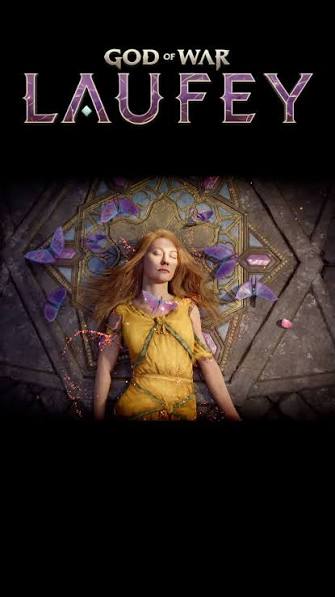
Though she was cremated before the very first frame of God of War (2018), Laufey the Just—known simply to Kratos as Faye—is arguably the single most important character in the entire Norse saga.
While players spend two games following her grieving husband and son, a careful look at the lore, environment, and environmental storytelling reveals that Faye was a master strategist, a fearsome warrior, and the silent architect of everything that transpired across the Nine Realms.
Here is a deep dive into the hidden lore of Faye and the tragic, secret history of the Jötnar (Giants).
1. Laufey the Just: The Last Guardian of Midgard
Long before she met Kratos, Faye was a legendary heroine among her people, known across the realms as Laufey the Just.
When Odin and Thor began their ruthless genocide of the Jötnar to control the future and steal their gift of foresight, the Giants fled Midgard back to their homeland of Jötunheim. They sealed the realm travel towers behind them to protect themselves. However, two Giants voluntarily stayed behind in Midgard:
- Jörmungandr (The World Serpent)
- The Guardian (Faye)
Faye stayed behind to act as a living shield for the mortal weak, opposing the Aesir and sabotaging Odin's plans at every turn.
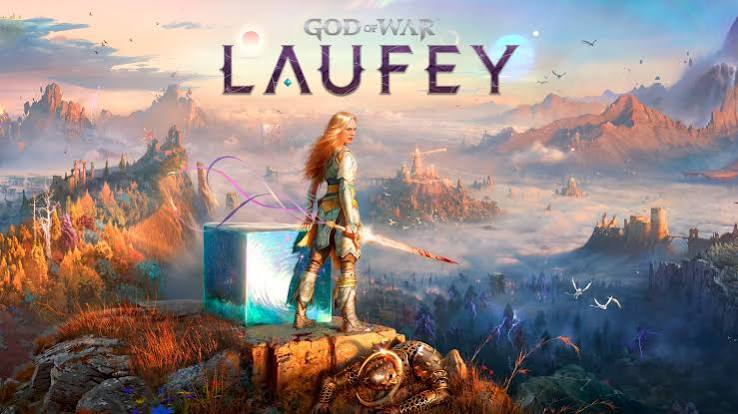
Hidden Detail: Brok and Sindri (the Huldra Brothers) crafted the famous Leviathan Axe specifically for Faye to counter Thor’s Mjölnir. When she wielded it, her battle with Thor was so intense and catastrophic that it physically altered the terrain of Vanaheim, creating a frozen lightning bolt that remained frozen in time.
2. The Prophecy and the Tree-Stump Protection Stave
One of Faye’s greatest abilities as a Giant was Precognition—the power of foresight. She didn't just guess what would happen; she saw the exact path Kratos and Atreus would take.
- The Marked Trees: In the opening scene of God of War (2018), Kratos chops down a tree marked with a glowing handprint. Faye had marked specific trees with her own handprints to form a Protection Stave (a powerful warding barrier) around their forest sanctuary.
- The Trap: She knew that as long as the barrier stood, Odin couldn't find them. But she intentionally instructed Kratos to cut down those exact marked trees for her funeral pyre. She deliberately broke her own protection ward upon her death, forcing Baldur to track down Kratos, kicking off the journey to scatter her ashes, and setting the events of Fimbulwinter into motion.
3. The Murals of Jötunheim: Rebellious Prophecy
When Kratos and Atreus finally reach the highest peak in Jötunheim, they discover the grand mural detailing their entire journey. But hidden in the lore is a massive rift between Faye and her own kin:
The Jötnar council saw a future where Ragnarök destroyed everything, and they wished to passively accept their tragic fate. Faye refused. She argued violently with the other Giants (a moment depicted on the mural walls) because she believed fate was not immutable and that her husband—a God of War who had defied the Greek fate weavers—could change the future.
She painted the yellow runes marked across the Nine Realms to guide Kratos and Atreus safely along their path, ensuring they would reach the knowledge they needed to change their destiny.
4. Why Faye Hid Her Identity from Kratos
A question many players ask is why Faye never told Kratos she was a Giant.
- To Protect Atreus: Atreus’s fragile health in God of War (2018) was caused by a spiritual conflict: he was a god who believed he was mortal, and his body was rejecting its own nature. Faye knew that revealing his identity as Loki too early would invite the full, ruthless wrath of Odin before Atreus was strong enough to survive it.
- To Heal Kratos: Kratos was a broken, deeply traumatized man fleeing his violent past in Greece. Faye knew that if Kratos thought he was being used as a weapon in another divine war, he would close his heart. She hid her divinity so Kratos could learn to love a "mortal" life, forcing him to learn how to be a compassionate father rather than just a general.
5. The Truth About the Giant Souls and Marbles
In God of War Ragnarök, Atreus discovers the dark reality of what happened to the rest of the Giants: they aren't all dead; their souls are trapped.
Knowing Odin was hunting them for their foresight, the Giant Angrboda and her family used soul magic to extract the spiritual essence of the Jötnar and store them inside small green soul marbles.
The Secret: The lifeless, giant corpses scattered across Jötunheim aren't just rotting bodies—they are empty husks waiting for their souls to be restored. Faye was part of this grand insurance policy, helping hide the marbles and ensuring that her son, Loki, would be the one to eventually find them and give her people a second chance at life.
6. The Ultimate Influence: Transforming the God of War
Faye's ultimate victory over Odin wasn't achieved with the blade of her axe, but through the reformation of Kratos.
Odin was obsessed with control, fate, and hoarding knowledge. Faye bet everything on love, free will, and emotional growth. In God of War Ragnarök, when Kratos decides to spare his enemies, protect the innocent, and destroy the prophecy that foretold his death, he fulfills Faye’s ultimate vision:
He proves that fate is only a lie told by the fearful, and transforms from a God of War into a God of Hope.